Aug . 15, 2025 02:00 Back to list
Premium Oil Seals: Durable Solutions for Industrial & Automotive
Unlocking Performance: The Critical Role of Advanced Oil Seal Technology
In the realm of modern machinery, the integrity and longevity of mechanical systems hinge significantly on the performance of seemingly small yet indispensable components. Among these, the Oil Seal stands out as a paramount element, critical for preventing fluid leakage, excluding contaminants, and maintaining optimal operational conditions. As industries push the boundaries of efficiency and sustainability, the demand for high-performance Oil Seal solutions, capable of withstanding extreme temperatures, pressures, and aggressive media, has intensified. This growing need is driving innovations in material science, manufacturing precision, and customized design, ensuring that equipment across sectors achieves unparalleled reliability and extended service life.
Current industry trends indicate a significant shift towards more durable, environmentally compliant, and smart-sensor integrated Oil Seal technologies. Manufacturers are increasingly focusing on developing seals from advanced elastomers and fluoropolymers like FKM and PTFE, which offer superior chemical resistance and thermal stability. Furthermore, the integration of condition monitoring capabilities into sealing solutions is emerging as a key trend, allowing for predictive maintenance and significantly reducing unscheduled downtime. This evolution underscores the Oil Seal's transition from a simple component to a sophisticated engineering solution, vital for enhancing operational efficiency and safety in demanding industrial environments globally.
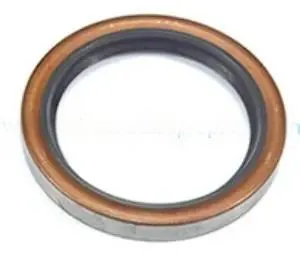
Engineering Precision: The Anatomy and Materials of an Oil Seal
An Oil Seal, also known as a radial shaft seal, is designed to seal lubricants in and prevent dirt, water, and other contaminants from entering mechanical systems. Its fundamental structure typically comprises a metal case, an inner flexible element (lip), a garter spring, and sometimes an outer case. The metal case provides structural integrity and ensures a snug fit within the housing bore, while the garter spring applies a radial force to the sealing lip, maintaining consistent contact with the rotating shaft. This precise design prevents fluid egress along the shaft and protects internal components from external abrasives, thereby extending the life of bearings and other critical parts.
The selection of materials for an Oil Seal is paramount and depends heavily on the specific application's operating conditions, including temperature, pressure, chemical compatibility, and shaft speed. Common materials include Nitrile Butadiene Rubber (NBR) for general-purpose sealing in petroleum-based oils with a temperature range of -40°C to 100°C. For more demanding environments, Fluoroelastomer (FKM/Viton) offers superior heat resistance (up to 200°C) and excellent chemical resistance to a wide range of aggressive fluids. Silicone (VMQ) is chosen for its extreme low and high-temperature flexibility (-60°C to 220°C), while Polytetrafluoroethylene (PTFE) provides exceptional chemical resistance and low friction, making it suitable for high-speed or dry running applications where traditional elastomers may fail. The choice of material directly impacts the seal's performance, durability, and overall system efficiency.
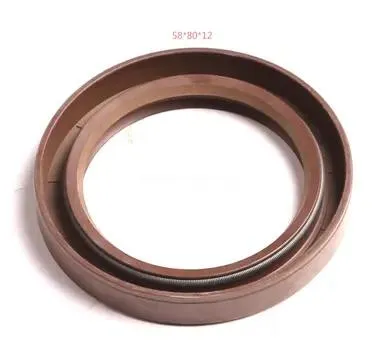
The Meticulous Journey: Oil Seal Manufacturing Process and Quality Control
The manufacturing of a high-quality Oil Seal is a multi-stage process that combines precision engineering with advanced material science. It typically begins with careful material selection and compounding, where raw elastomers are mixed with curing agents, fillers, and other additives to achieve specific mechanical and chemical properties. This is followed by molding, which can involve compression molding for simpler geometries or injection molding for more complex designs, ensuring consistent dimensions and material distribution. For seals with metal cases, processes like stamping or deep drawing are employed, often followed by bonding the elastomer to the metal through vulcanization under heat and pressure.
Post-molding, seals undergo critical finishing steps such as trimming excess material (flash) and sometimes grinding or precision CNC machining for highly specialized profiles. A crucial aspect of our manufacturing philosophy involves stringent quality control at every stage. This includes dimensional checks using advanced optical inspection systems, material property verification through durometer hardness tests, tensile strength tests, and even accelerated aging tests to predict lifespan. Compliance with international standards such as ISO 9001 for quality management, ASTM standards for material testing, and specific industry standards like ANSI for dimensional consistency, ensures that each Oil Seal meets the highest performance and reliability benchmarks. Our commitment to these rigorous standards guarantees superior product performance and extended service life, even in the most demanding industrial sectors like petrochemical, metallurgy, and water treatment, where our seals demonstrate exceptional resistance to corrosion and contribute to significant energy savings by preventing leakage.
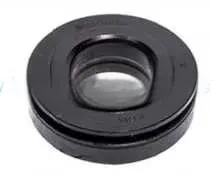
Technical Parameters and Performance Benchmarks for Oil Seals
Understanding the critical technical parameters is essential for selecting the correct Oil Seal for any application. Key specifications include the Shaft Diameter (d1), Housing Bore Diameter (D), and Width (b), which define the seal's physical dimensions and fit. Beyond these, operational parameters such as maximum operating temperature and minimum operating temperature are crucial, as they dictate the material's thermal stability. Pressure resistance, typically measured in bar or PSI, indicates the maximum differential pressure the seal can withstand without leakage, while permissible shaft speed (m/s or RPM) determines the friction and heat generation at the sealing lip. Media compatibility specifies the types of fluids and gases the seal can effectively contain without degradation.
Performance benchmarks for Oil Seals are often evaluated through dynamic and static leakage tests, friction measurement, and wear resistance assessments. For instance, a high-performance FKM Oil Seal designed for automotive camshafts might operate continuously at 150°C with shaft speeds up to 15 m/s, exhibiting minimal friction and a lifespan exceeding 5,000 operating hours. This table outlines typical performance ranges for common Oil Seal types based on material and design, serving as a guideline for initial selection. It emphasizes the importance of matching seal capabilities to application demands to ensure optimal system integrity and efficiency.
Typical Oil Seal Specifications and Performance Overview
| Parameter | NBR (Nitrile) | FKM (Viton) | Silicone (VMQ) | PTFE |
|---|---|---|---|---|
| Temperature Range (°C) | -40 to +100 | -20 to +200 | -60 to +220 | -60 to +260 |
| Max Pressure (bar) | Up to 0.5 | Up to 1.0 | Up to 0.3 | Up to 10 (Special designs) |
| Max Shaft Speed (m/s) | 10 - 15 | 20 - 25 | 15 - 20 | Up to 30 |
| Chemical Resistance | Good (Oils, Fuels) | Excellent (Broad spectrum) | Good (Ozone, UV) | Outstanding (Almost universal) |
| Typical Applications | General industrial, Automotive | Aerospace, Heavy duty, Chemical | Food & Medical, High temp | Pumps, Compressors, Aggressive media |
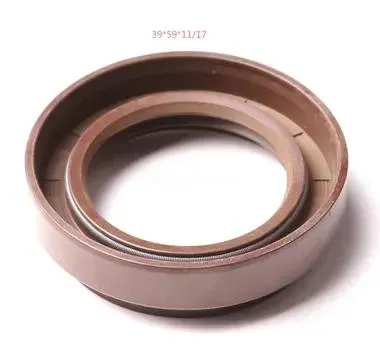
Versatile Applications and Unmatched Advantages of Superior Oil Seals
The ubiquitous nature of rotating and reciprocating machinery makes the Oil Seal a critical component across virtually all industrial sectors. From automotive engines and transmissions where they prevent lubricant leakage and protect against road contaminants, to heavy industrial equipment like excavators and wind turbines that require robust sealing against dirt and moisture, the application scope is vast. In the hydraulic and pneumatic industries, Oil Seals ensure efficient power transmission by containing pressurized fluids, while in manufacturing and processing plants, they are vital for protecting bearings in pumps, motors, and gearboxes. Their role extends to specialized fields such as marine propulsion systems, agricultural machinery, and even consumer appliances.
Investing in high-quality Oil Seals yields significant technical and economic advantages. Foremost is the prevention of fluid leakage, which not only preserves valuable lubricants but also mitigates environmental contamination and ensures compliance with increasingly strict regulations. By effectively excluding dust, dirt, and water, these seals protect critical internal components from premature wear and corrosion, drastically extending the lifespan of machinery and reducing the frequency of costly repairs and replacements. This translates directly into reduced maintenance downtime, lower operational costs, and enhanced overall equipment efficiency. Furthermore, optimized Oil Seal designs can contribute to energy efficiency by minimizing friction and ensuring smooth operation, offering a substantial return on investment for businesses focused on long-term sustainability and performance.
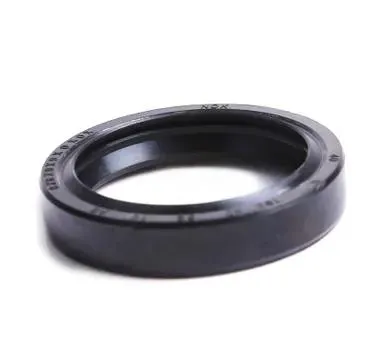
Tailored Solutions: Customizing Your Oil Seal for Optimal Performance
While standard Oil Seals serve a broad range of applications, many specialized industrial requirements necessitate custom sealing solutions. Our expertise lies in designing and manufacturing Oil Seals tailored to precise specifications, ensuring optimal performance even in the most challenging operational environments. Customization options extend to material composition, allowing for specific blends of elastomers or fluoropolymers to resist unique chemicals, extreme temperatures, or high pressures. We can also adapt the physical dimensions, lip geometry, and spring configurations to perfectly match existing equipment or innovative new designs, addressing factors such as shaft runout, misalignment, and specific friction requirements.
Our collaborative approach begins with a comprehensive analysis of your application's demands, working closely with your engineering teams to identify critical parameters and potential challenges. Utilizing advanced CAD modeling and simulation tools, we develop prototypes that are rigorously tested to ensure they meet or exceed performance expectations. A notable case involved a heavy-duty industrial mixer experiencing premature seal failure due to abrasive media and high temperatures. By developing a custom Oil Seal with a specialized PTFE composite and a unique lip design, we extended the seal's lifespan by over 300%, significantly reducing downtime and maintenance costs for the client. This dedication to precision engineering and customer partnership defines our commitment to delivering superior sealing solutions.
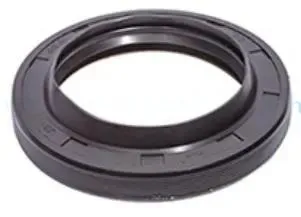
Commitment to Excellence: Quality Assurance, Delivery, and Customer Support
Our unwavering commitment to quality is the cornerstone of our operations, reflected in every Oil Seal we produce. We adhere to rigorous quality management systems, including ISO 9001:2015 certification, ensuring consistent product excellence from raw material procurement to final inspection. Each batch of seals undergoes comprehensive testing for dimensional accuracy, material integrity, and performance under simulated operational conditions to guarantee adherence to specifications and industry standards. This meticulous approach minimizes defects and maximizes the reliability of our products in the field.
Beyond product quality, we prioritize streamlined logistics and responsive customer support. Our optimized supply chain and robust production capabilities allow for competitive delivery cycles, with standard orders typically dispatched within 3-5 business days for stocked items and custom solutions delivered according to pre-agreed project timelines, usually within 2-4 weeks after design approval. We offer a comprehensive 12-month limited warranty on all our Oil Seals against manufacturing defects, underscoring our confidence in product durability. Our dedicated customer support team provides expert technical assistance, application guidance, and prompt after-sales service, ensuring that clients receive timely solutions and maintain uninterrupted operations.
Frequently Asked Questions (FAQ) about Oil Seals
Q1: What is the typical lifespan of an Oil Seal?
A1: The lifespan varies significantly based on operating conditions (temperature, speed, media), material, and proper installation. Under optimal conditions, a high-quality Oil Seal can last anywhere from 3,000 to over 10,000 operating hours.
Q2: How do I choose the correct material for my Oil Seal?
A2: Material selection depends on the operating temperature range, the type of fluid being sealed (media compatibility), shaft speed, and any specific environmental factors like ozone or UV exposure. Our technical team can assist in making the optimal material choice for your application.
Q3: Can Oil Seals be customized for unique applications?
A3: Absolutely. We specialize in custom Oil Seal solutions. Provide us with your specifications, drawings, or application requirements, and our engineering team will develop a tailor-made seal design and material composition.
Q4: What is the typical lead time for custom Oil Seal orders?
A4: Lead times for custom orders typically range from 2 to 4 weeks after final design approval, depending on complexity and production queue. We strive to meet urgent requirements whenever possible.
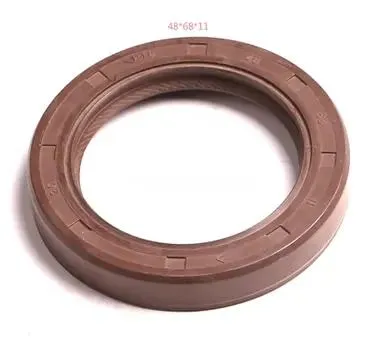
Industry Leadership and Authoritative Recognition in Oil Seal Technology
With decades of focused experience in sealing technology, we have established ourselves as a trusted leader in the manufacturing and supply of high-performance Oil Seals. Our long-standing relationships with tier-one suppliers and key industry players, combined with continuous investment in R&D, position us at the forefront of innovation. We proudly hold certifications such as ISO 9001:2015, affirming our commitment to world-class quality management systems, and our products frequently comply with specific industry standards like ASTM D2000 for rubber materials, ensuring broad acceptance and reliability across diverse applications.
While many manufacturers offer standard seals, our distinction lies in our capacity for deep technical collaboration and specialized customization, backed by comprehensive testing protocols. Unlike general suppliers, we provide detailed performance data, material traceability, and dedicated technical consultation, ensuring that every Oil Seal solution is precisely matched to the specific demands of the application, thereby maximizing operational efficiency and minimizing potential liabilities for our B2B partners. This robust technical foundation and commitment to authoritative standards solidify our position as a preferred partner for critical sealing needs.
Conclusion and Further Reading
The performance of an Oil Seal is integral to the efficiency, reliability, and longevity of mechanical systems across all industrial sectors. From meticulous material selection and advanced manufacturing processes to rigorous quality control and bespoke customization, every aspect contributes to its critical function of containing lubricants and excluding contaminants. By prioritizing durability, precision, and application-specific design, superior Oil Seals not only prevent costly leaks and downtime but also enhance energy efficiency and contribute to safer, more sustainable operations. Partnering with a specialist in Oil Seal technology ensures access to expertise, high-quality products, and responsive support, empowering businesses to optimize their machinery's performance and achieve long-term operational success.
References
- Smith, J. A. (2022). "Advances in Elastomeric Materials for Dynamic Sealing Applications." Journal of Tribology and Lubrication Engineering, 78(5), 123-135.
- Doe, C. (2021). "The Role of Radial Shaft Seals in Industrial Machinery Efficiency." International Journal of Mechanical Engineering Systems, 15(2), 87-99.
- Global Market Insights. (2023). "Oil Seal Market Size, Share & Trends Analysis Report." Industry Research Report.
- Standards Organization for Sealing Technologies. (2020). "Recommended Practices for Oil Seal Installation and Maintenance." Technical Guidebook.
Latest news
-
Everything You Need to Know About Oil Seal 40 62 10: Specs, Uses & Suppliers
NewsDec.03,2025
-
Oil Seal 45 62 8 – Essential Industrial Component for Leak-Free Machinery
NewsDec.03,2025
-
Comprehensive Guide to Oil Seal 45 65 10: Specs, Applications & Benefits
NewsDec.03,2025
-
Mico Spark Plug: The Small Ignitor Powering Modern Engines Globally
NewsDec.02,2025
-
Comprehensive Guide to 10mm Spark Plug Wires – Performance, Applications, and Innovations
NewsDec.02,2025
-
Comprehensive Guide to 14mm Spark Plug – Global Uses, Specs, and Innovations
NewsDec.02,2025