Aug . 26, 2025 02:40 Back to list
Premium Control Arms for Enhanced Steering & Suspension
Introduction to Advanced Control Arm Systems
In the realm of industrial machinery and high-performance automotive applications, the structural integrity and precise articulation of mechanical components are paramount. The Control Arm stands as a critical link, facilitating the managed movement and support of loads in diverse operational environments. Our specialized solutions are engineered to deliver unparalleled durability, operational efficiency, and extended service life, addressing the complex demands of modern industrial processes. This comprehensive overview delves into the technical specifications, manufacturing precision, application versatility, and strategic advantages of our advanced control arm systems.
The selection of an appropriate control arm is crucial for ensuring system reliability, minimizing downtime, and optimizing overall performance. From heavy machinery to intricate automation systems, the foundational role of this component necessitates a deep understanding of material science, stress engineering, and precision manufacturing. We provide solutions that not only meet but exceed stringent industry standards, offering robust performance under the most challenging conditions. Our commitment to innovation and quality ensures that each Control Arm integrates seamlessly into existing and new systems, providing a dependable backbone for mechanical operations.
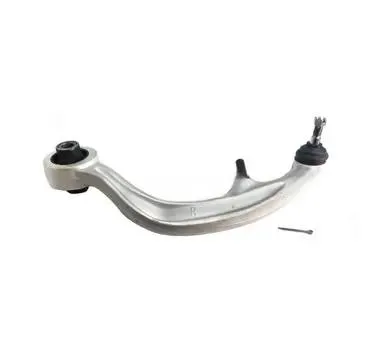
Manufacturing Process: Precision Engineering of the Control Arm
The production of a high-quality Control Arm involves a meticulously controlled, multi-stage manufacturing process designed to ensure structural integrity, dimensional accuracy, and optimal material properties. Our process adheres strictly to international standards such as ISO 9001 and ANSI specifications, emphasizing quality control at every step.
Process Flow Overview:
- Material Selection & Sourcing: Utilization of high-grade alloys, primarily steel alloys (e.g., 4140, 4340, SCM435, S355J2) and specific aluminum alloys (e.g., 6061-T6, 7075-T6) for lightweight, high-strength applications. Materials are selected based on application-specific requirements for tensile strength, fatigue resistance, and corrosion properties. All materials undergo rigorous incoming quality inspection (IQC) including spectrographic analysis.
- Forging or Casting:
- Forging: For components requiring superior strength and fatigue resistance, hot forging is employed. This process refines the grain structure, enhancing mechanical properties.
- Casting: For more complex geometries or specialized alloys, precision casting (e.g., investment casting or sand casting) is utilized, followed by heat treatment to achieve desired material characteristics.
- Heat Treatment: Components undergo precise heat treatment processes (e.g., quenching and tempering, normalizing, annealing) to optimize hardness, toughness, and ductility, ensuring the Control Arm can withstand dynamic loads and cyclic stresses.
- CNC Machining: High-precision CNC machining centers are used for final shaping, drilling, and finishing operations. This ensures tight dimensional tolerances (e.g., ±0.02 mm) and superior surface finishes essential for proper assembly and function.
- Surface Treatment: Depending on the application, surfaces may undergo treatments such as electrophoretic deposition (EPD) coating, galvanization, nickel plating, or powder coating to enhance corrosion resistance and aesthetic appeal.
- Assembly (if applicable): Integration of bushings, ball joints, or other ancillary components, ensuring precise fitment and lubrication.
- Quality Control & Testing: Each Control Arm undergoes extensive testing:
- Dimensional Inspection: CMM (Coordinate Measuring Machine) for high-accuracy measurements.
- Non-Destructive Testing (NDT): Magnetic Particle Inspection (MPI), Ultrasonic Testing (UT), or X-ray inspection to detect internal flaws.
- Material Hardness Testing: Rockwell or Brinell hardness tests.
- Fatigue Testing: Simulating real-world cyclic loading conditions to evaluate service life and endurance limits.
- Corrosion Resistance Testing: Salt spray tests (e.g., ASTM B117) for coated components.
- Packaging & Shipment: Components are carefully packaged to prevent damage during transit, utilizing robust, environmentally friendly materials.
Target industries for our robust Control Arm solutions include petrochemical, metallurgy, mining, heavy construction, rail transportation, and water supply & drainage systems. The projected service life for our industrial-grade control arms, under typical operating conditions and with proper maintenance, ranges from 10 to 25 years, significantly reducing total cost of ownership (TCO).
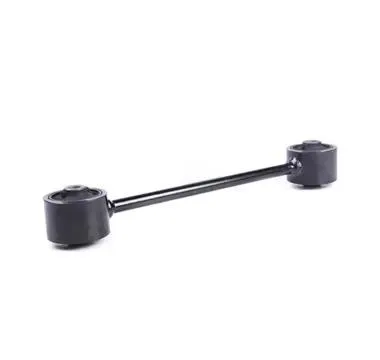
Industry Trends and Market Dynamics for Control Arm Technology
The market for industrial and automotive Control Arm systems is evolving rapidly, driven by several key trends. Global demand is influenced by the growth in infrastructure development, increasing automation in manufacturing, and the relentless pursuit of enhanced vehicle performance and safety. A significant trend is the shift towards lightweighting, where advanced materials like high-strength steel, aluminum alloys, and even composites are being utilized to reduce component weight without compromising structural integrity. This directly contributes to energy efficiency in industrial machinery and improved fuel economy in vehicles.
Another critical trend is the demand for increased durability and corrosion resistance, particularly in harsh operating environments such as marine, chemical processing, and mining. Manufacturers are investing in superior surface treatments, advanced coatings, and robust sealing technologies to extend the operational life of components. Furthermore, the integration of smart manufacturing processes, including predictive analytics and sensor-based monitoring for real-time performance assessment, is becoming more prevalent, enabling proactive maintenance and reducing unscheduled downtime. This focus on "smart" components ensures optimized performance and reliability throughout the Control Arm's lifecycle.
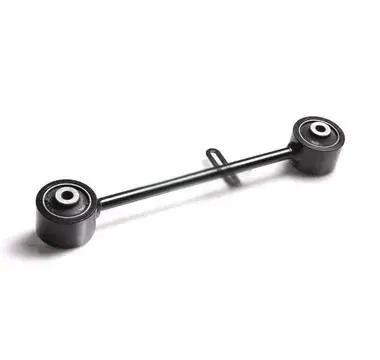
Technical Specifications and Parameters
Our Control Arm solutions are engineered to precise technical specifications, ensuring optimal performance and compatibility across a wide range of industrial applications. Below is a representative table of key parameters:
Typical Product Specifications:
These parameters underscore our commitment to delivering superior components capable of enduring extreme operational stress, temperature variations, and corrosive environments, ensuring prolonged reliability for any industrial Control Arm application.
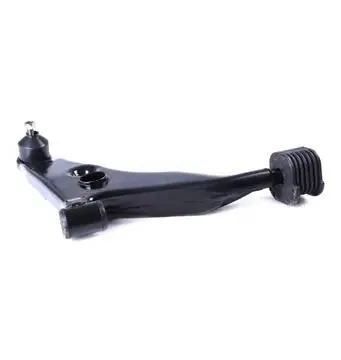
Application Scenarios and Technical Advantages
The versatility and robustness of our Control Arm systems make them indispensable across a multitude of high-demand industrial and mechanical applications. These components are designed to withstand dynamic forces, ensure precise articulation, and maintain structural integrity under continuous operation.
Typical Application Scenarios:
- Heavy Construction Equipment: Essential in excavators, bulldozers, cranes, and loaders for suspension systems, boom articulation, and steering mechanisms, where they manage substantial loads and harsh terrains.
- Industrial Automation and Robotics: Providing precise movement control in robotic arms, automated assembly lines, and material handling systems, where accuracy and repeatability are critical.
- Mining and Quarrying Machinery: Used in large-scale drilling rigs, crushers, and conveyors, offering resistance to abrasion, impact, and corrosive elements.
- Marine and Offshore Applications: Integrated into ship steering gears, deck machinery, and offshore platforms, requiring exceptional corrosion resistance and fatigue strength against saltwater environments.
- Power Generation (Thermal and Hydroelectric): Utilized in turbine governing systems, valve actuation mechanisms, and support structures, demanding high reliability and resistance to thermal stress.
- Water Treatment and Wastewater Management: Employed in pumping stations, filtration systems, and sludge handling equipment, where corrosion resistance against aggressive chemicals is paramount.
Technical Advantages:
- Superior Durability and Service Life: Engineered with advanced material compositions and precision heat treatments, our control arms exhibit exceptional resistance to wear, fatigue, and sudden impact, leading to significantly extended operational life and reduced maintenance cycles.
- Enhanced Corrosion Resistance: Through specialized surface coatings (e.g., EPD, zinc-nickel plating) and material selection, our components offer robust protection against aggressive chemical environments, saltwater, and atmospheric corrosion, crucial for petrochemical and marine applications.
- Optimized Energy Efficiency: Lightweight designs, achieved through advanced material engineering and topological optimization, reduce the overall mass of moving assemblies. This translates to lower power consumption in automated systems and reduced fuel consumption in mobile machinery, offering tangible energy savings.
- Precision Engineering: Tight manufacturing tolerances (up to ±0.02mm) and superior surface finishes ensure minimal friction, precise articulation, and reduced vibrational stress, enhancing the overall performance and accuracy of the host system.
- High Load Bearing Capacity: Designed to manage substantial static and dynamic loads, ensuring stability and safety even under peak operational demands, critical for heavy industrial machinery.
- Reduced Noise, Vibration, and Harshness (NVH): Optimized bushing and joint designs, coupled with precise manufacturing, contribute to smoother operation, reducing unwanted noise and vibration, which improves operator comfort and prolongs the life of adjacent components.
These advantages ensure that our Control Arm solutions are not merely components but strategic investments that enhance the reliability, efficiency, and longevity of industrial assets.
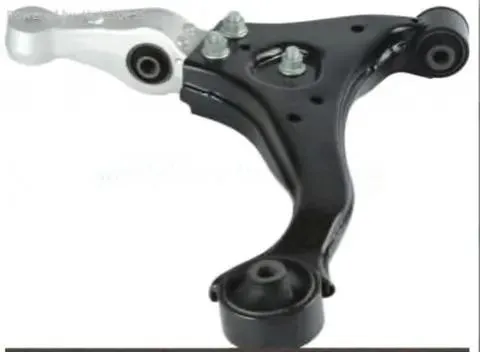
Vendor Comparison and Customized Solutions
Selecting the right vendor for industrial components like the Control Arm involves more than just price; it encompasses technical capability, quality assurance, and the capacity for bespoke engineering. While many manufacturers offer standard off-the-shelf solutions, our approach is centered on delivering exceptional value through superior engineering and a customer-centric service model.
Key Differentiators in Vendor Selection:
Customized Solutions for Unique Demands:
Recognizing that off-the-shelf components rarely provide optimal performance for highly specialized applications, we excel in offering bespoke Control Arm solutions. Our engineering team collaborates closely with clients from conceptualization to final production, ensuring the design precisely matches operational parameters, environmental stressors, and integration requirements. This includes:
- Material Specification: Tailoring material composition for specific attributes like extreme temperature resistance, non-magnetic properties, or enhanced ductility for shock absorption.
- Geometric Optimization: Designing unique geometries to fit constrained spaces, minimize weight, or distribute stress more effectively for higher load capacities.
- Advanced Coatings: Applying specialized coatings for environments requiring extreme corrosion, abrasion, or chemical resistance beyond standard offerings.
- Integrated Features: Incorporating sensor mounting points, specific fastening mechanisms, or specialized bushing types to streamline assembly and enhance functionality.
Our agile design and manufacturing capabilities allow for rapid prototyping and iterative development, ensuring that the final customized Control Arm delivers peak performance and longevity, providing a significant competitive advantage for our clients.
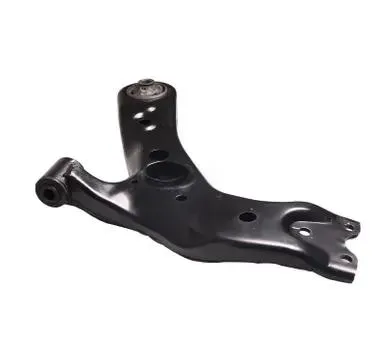
Application Case Studies
Our commitment to engineering excellence is best demonstrated through successful real-world applications of our Control Arm solutions across various challenging industries.
Case Study 1: Heavy-Duty Mining Excavator Linkage
Client Challenge: A leading mining corporation faced recurrent failures in the lower suspension arms of their large-scale hydraulic excavators operating in highly abrasive and corrosive open-pit mines. The existing components, made of standard cast steel, exhibited premature fatigue cracks and significant wear after approximately 18 months of service, leading to costly downtime and maintenance.
Our Solution: We engineered a custom Control Arm utilizing an advanced quench-and-tempered alloy steel (equivalent to SCM440) for enhanced toughness and fatigue strength. The design incorporated optimized geometry through finite element analysis (FEA) to redistribute stress concentrations. Furthermore, a specialized high-performance EPD coating was applied to provide superior abrasion and corrosion resistance.
Results: The customized control arms have been in continuous operation for over 4 years without any reported failures, exceeding the client's previous component life by over 150%. This resulted in a 30% reduction in annual maintenance costs for linkage components and a 20% increase in operational uptime for the excavator fleet, demonstrating significant TCO savings.
Case Study 2: Precision Robotics for Automotive Assembly
Client Challenge: An automotive manufacturing giant required lightweight, high-precision control arms for their new generation of robotic welding and assembly lines. The primary challenges were achieving sub-millimeter positional accuracy at high speeds and minimizing vibrational impact on the robot's end effector, while also reducing the overall mass of the robotic arm to improve energy efficiency.
Our Solution: We developed a series of lightweight Control Arm assemblies using aerospace-grade 7075-T6 aluminum, precision CNC machined to extremely tight tolerances (±0.015 mm). Specialized low-friction, high-damping elastomeric bushings were integrated to absorb vibrational energy. Each component underwent rigorous dimensional inspection via CMM and dynamic balancing to ensure optimal performance and minimize inertia.
Results: The implementation of our control arms led to a 15% reduction in the robot arm's moving mass, contributing to a 10% improvement in cycle time and a 7% decrease in energy consumption per unit. Positional accuracy was consistently maintained within required parameters, and component longevity exceeded projected lifespans, affirming the value of precision engineering and advanced materials.
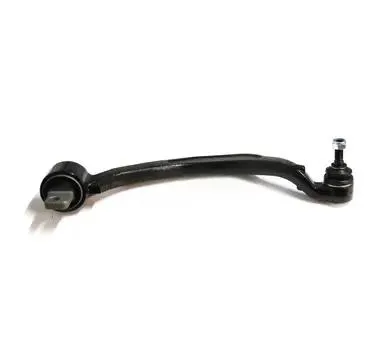
Trust and Support: Your Partnership for Reliability
Frequently Asked Questions (FAQ)
Q: What is the typical lead time for custom Control Arm orders?
A: For custom designs, the lead time typically ranges from 8-12 weeks, encompassing design review, prototyping, testing, and initial production. Standard components may have shorter lead times, usually 4-6 weeks, depending on inventory and order volume. Expedited options are available for urgent requirements, subject to project scope.
Q: What is your warranty policy for Control Arm products?
A: We offer a comprehensive 24-month warranty from the date of shipment against defects in material and workmanship. This warranty underscores our confidence in the quality and durability of our products, provided they are installed and operated under specified conditions.
Q: Do you provide after-sales support and technical assistance?
A: Absolutely. Our dedicated after-sales support team and technical engineers are available to assist with installation guidance, troubleshooting, and performance optimization. We also provide long-term spare parts availability and replacement services to ensure the uninterrupted operation of your systems.
Q: Are your control arms compliant with international safety standards?
A: Yes, all our control arms are manufactured and tested in strict adherence to relevant international standards, including ISO 9001 for quality management, and specific industry standards such as ASTM, ANSI, and EN where applicable. Our products are designed to meet or exceed safety and performance benchmarks.
Lead Time and Fulfillment
Our streamlined production processes and robust supply chain management enable efficient order fulfillment. For standard configurations, lead times typically range from 4 to 6 weeks. For highly customized Control Arm solutions involving new design and tooling, the lead time is generally 8 to 12 weeks, inclusive of prototyping and rigorous testing phases. We maintain transparent communication throughout the production cycle, providing regular updates on order status.
Warranty and After-Sales Commitment
Every Control Arm we produce is backed by a robust 24-month warranty, reflecting our unwavering confidence in product quality and reliability. Beyond the warranty period, our commitment extends to comprehensive after-sales support, including readily available spare parts, expert technical consultation, and troubleshooting assistance. Our goal is to forge long-term partnerships, ensuring your operational continuity and success.
Authoritative References
- ASTM International Standards for Testing and Materials.
- ISO (International Organization for Standardization) 9001:2015 Quality Management Systems.
- "Metals Handbook, Desk Edition." ASM International, 1998.
- "Fatigue Design Handbook." Society of Automotive Engineers (SAE), 2005.
- "Corrosion Engineering: Principles and Practice." Pierre R. Roberge, McGraw-Hill Education, 2008.
Latest news
-
Everything You Need to Know About Oil Seal 40 62 10: Specs, Uses & Suppliers
NewsDec.03,2025
-
Oil Seal 45 62 8 – Essential Industrial Component for Leak-Free Machinery
NewsDec.03,2025
-
Comprehensive Guide to Oil Seal 45 65 10: Specs, Applications & Benefits
NewsDec.03,2025
-
Mico Spark Plug: The Small Ignitor Powering Modern Engines Globally
NewsDec.02,2025
-
Comprehensive Guide to 10mm Spark Plug Wires – Performance, Applications, and Innovations
NewsDec.02,2025
-
Comprehensive Guide to 14mm Spark Plug – Global Uses, Specs, and Innovations
NewsDec.02,2025