Sep . 19, 2025 10:25 Back to list
Optimal Expansion Tank Cap: Pressure Control & Engine Safety
Industry Trends and the Critical Role of Expansion Tank Cap Technology
The global industrial landscape is increasingly demanding higher performance, greater efficiency, and enhanced safety from its critical components. In fluid handling and thermal management systems across various sectors, the humble but vital Expansion Tank Cap plays a pivotal role. Current industry trends point towards a growing emphasis on precision engineering, material science innovations, and intelligent system integration. Factors such as stricter environmental regulations, the push for energy conservation, and the necessity for extended service intervals are driving advancements in component design and manufacturing. Operators are seeking solutions that not only maintain system integrity but also contribute to overall operational longevity and cost reduction. The petrochemical, metallurgy, and water supply & drainage industries, in particular, face challenges related to extreme temperatures, corrosive media, and high pressures, making the reliability of every component paramount.
Emerging trends also highlight the integration of smart technologies. While an Expansion Tank Cap itself might not be "smart," its design must accommodate evolving system architectures that incorporate pressure sensors, temperature monitoring, and predictive maintenance protocols. This necessitates caps that offer consistent sealing performance, accurate pressure relief, and robust material stability over extended periods, often under fluctuating operational conditions. Furthermore, the market demands high-quality, certified components that minimize the risk of unplanned downtime, thereby safeguarding production schedules and ensuring operational continuity.
Manufacturing Process Flow for High-Performance Expansion Tank Caps
The manufacturing of a high-quality Expansion Tank Cap is a multi-stage process involving stringent material selection, advanced fabrication techniques, and rigorous quality control. Our commitment to excellence ensures each cap meets demanding industry standards.
1. Material Selection and Preparation:
- Body Material: Typically high-grade stainless steel (e.g., 304, 316L for corrosion resistance) or specialized engineering plastics (e.g., PA66+GF30 for thermal stability and strength). Selection is based on target industry requirements for temperature, pressure, and chemical compatibility.
- Sealing Elements: EPDM, FKM (Viton), or silicone rubber, chosen for their excellent resilience, high-temperature resistance (up to 200°C for FKM), and chemical inertness against common coolants and industrial fluids.
- Springs: High-tensile stainless steel or spring steel, coated for corrosion protection, ensuring consistent pressure relief and vacuum valve operation over millions of cycles.
2. Core Manufacturing Processes:
- Stamping/Forging (Metal Components): Precision stamping or cold forging forms the primary cap body and internal components from raw material sheets or rods, ensuring high structural integrity and material density.
- Injection Molding (Plastic Components): For plastic caps, high-pressure injection molding produces precise, consistent cap bodies with integrated features, optimized for strength and dimensional accuracy.
- CNC Machining: Critical mating surfaces, threads, and valve seats undergo advanced CNC machining to achieve micron-level tolerances, essential for reliable sealing and precise pressure actuation.
- Surface Treatment: Metal components may receive passivation, electroplating, or specialized coatings to enhance corrosion resistance, wear resistance, and aesthetic finish.
3. Assembly:
Components are assembled in a controlled environment, often with automated systems, to ensure correct seating of sealing elements, spring installation, and proper valve mechanism integration. Torque specifications for threaded connections are precisely controlled.
4. Testing and Quality Assurance:
- Pressure Leak Test: Each cap undergoes a leak test at operating pressure to confirm hermetic sealing.
- Pressure Relief Valve Calibration: Valve opening and closing pressures are calibrated and tested against specified tolerances, often to ISO 4114 standards for radiator caps or equivalent industrial specifications.
- Vacuum Valve Test: The vacuum relief mechanism is tested to ensure proper operation, preventing system collapse during cooling cycles.
- Material Verification: Spectrographic analysis and mechanical property tests are performed on material batches to confirm compliance.
- Longevity & Cycle Testing: Random samples undergo accelerated life cycle testing to simulate years of operation, verifying a typical service life exceeding 5 years or 100,000 operational hours in specified conditions.
This meticulous process ensures our Expansion Tank Cap products offer superior energy saving through efficient pressure management and exceptional corrosion resistance, crucial for industries like petrochemical, metallurgy, and water supply & drainage.
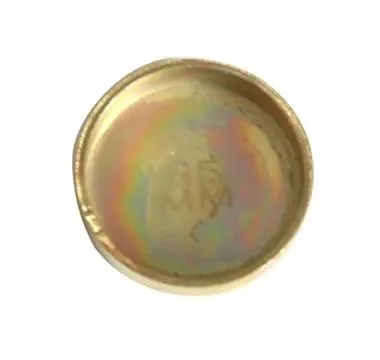
Technical Specifications and Parameters
Understanding the precise technical parameters of an Expansion Tank Cap is crucial for ensuring system compatibility and optimal performance. Our caps are engineered to meet or exceed industry standards, providing reliable pressure regulation and system protection.
Typical Product Specifications:
| Parameter | Value/Range | Notes |
|---|---|---|
| Pressure Rating (Release) | 0.5 bar to 2.5 bar (7.25 psi to 36.25 psi) | Customizable to specific system requirements, calibrated to ±0.05 bar |
| Vacuum Rating (Release) | -0.05 bar to -0.1 bar (-0.73 psi to -1.45 psi) | Prevents tank collapse during cooling; calibrated to ±0.01 bar |
| Operating Temperature Range | -40°C to +150°C (up to 200°C with FKM seals) | Ensures stability in diverse climate and operational conditions |
| Material (Body) | Stainless Steel (304, 316L) / PA66+GF30 | Corrosion resistance, high tensile strength, chemical resistance |
| Sealing Material | EPDM, FKM (Viton), Silicone | Selected for chemical compatibility and temperature range |
| Thread Type/Size | Standard NPT, BSP, or Custom Bayonet/Screw-on | Ensures secure, leak-free connection to expansion tank |
| Certification | ISO 9001:2015, CE compliant | Adherence to international quality management standards |
| Service Life | > 5 years or 100,000 operating hours | Based on accelerated lifecycle testing under typical conditions |
Application Scenarios and Technical Advantages
The versatility and robust performance of our Expansion Tank Cap make it indispensable across a broad spectrum of B2B applications. Its core function is to maintain optimal pressure within closed fluid systems, preventing over-pressurization and vacuum formation while allowing for thermal expansion and contraction of the fluid.
Typical Application Scenarios:
- Petrochemical Industry: Used in cooling circuits for reactors, compressors, and distillation columns where precise temperature and pressure control are critical. The caps prevent coolant boil-off and protect against over-pressurization from volatile process fluids.
- Metallurgy & Heavy Manufacturing: Integrated into cooling systems for furnaces, casting machines, and rolling mills. These environments demand caps capable of withstanding high ambient temperatures and aggressive coolants while ensuring continuous operation.
- Water Supply & Drainage Systems: Essential for maintaining pressure balance in pumping stations, water treatment facilities, and large-scale industrial water loops, protecting pipes and equipment from hydraulic shock and pressure surges.
- HVAC & Refrigeration: Employed in large commercial and industrial HVAC systems to manage refrigerant or coolant expansion, ensuring system efficiency and preventing damage from pressure fluctuations.
- Power Generation: Critical in engine cooling systems for generators, turbine auxiliaries, and various closed-loop cooling circuits in power plants, where reliability under continuous load is paramount.
- Automotive & Heavy Equipment (OEM): Supplied to original equipment manufacturers for integration into engine cooling and hydraulic systems of trucks, construction machinery, and specialized vehicles, ensuring robust performance in demanding mobile applications.
Key Technical Advantages:
- Enhanced System Protection: Precisely calibrated pressure and vacuum relief valves safeguard fluid systems from detrimental over-pressure and negative pressure conditions, preventing burst pipes, collapsed tanks, and pump cavitation.
- Optimized Thermal Efficiency: By maintaining consistent system pressure, our caps elevate the boiling point of the coolant/fluid, allowing systems to operate at higher temperatures more efficiently without boiling, thereby improving heat transfer and overall system performance (energy saving).
- Superior Material Durability: Utilization of advanced materials such as 316L stainless steel and high-performance engineering plastics, coupled with robust sealing materials like FKM, provides exceptional resistance to corrosion, chemical degradation, and extreme temperatures. This extends component lifespan significantly.
- Reduced Maintenance & Downtime: The high reliability and extended service life of our caps minimize the need for frequent inspection and replacement, leading to substantial reductions in maintenance costs and valuable operational downtime.
- Adherence to International Standards: Our products are manufactured under strict ISO 9001:2015 quality management systems and often comply with specific industry standards (e.g., ANSI B16.34, API 6D for pressure components), ensuring consistent quality and performance for global applications.
- Customization Capability: We offer bespoke solutions for unique pressure settings, material requirements, and connection types, providing tailored performance for specialized industrial systems.
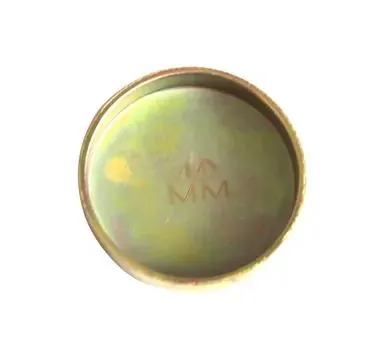
Vendor Comparison and Competitive Edge
In a competitive market, discerning the optimal supplier for critical components like an Expansion Tank Cap requires a detailed comparison of key attributes. Our position is built on a foundation of rigorous engineering, quality assurance, and a deep understanding of B2B industrial needs.
Key Differentiators:
| Feature/Attribute | Our Offering | Typical Competitor |
|---|---|---|
| Pressure Calibration Accuracy | ±0.05 bar (high precision) | ±0.1 bar or higher (variable) |
| Material Grade & Traceability | Certified raw materials (e.g., 316L, FKM), full traceability | Often standard grades, limited traceability |
| Service Life Expectancy | > 5 years / 100,000 hours (verified) | 3-5 years / 50,000-80,000 hours (general) |
| Testing Standards | ISO, CE, internal stress/fatigue testing | Basic functional testing |
| Customization Lead Time | Rapid prototyping, 4-6 weeks for full production | 6-12 weeks or longer, limited flexibility |
| After-Sales Support | Dedicated technical support, warranty, field service | Standard warranty, limited technical assistance |
Our company holds ISO 9001:2015 certification for quality management, reflecting our commitment to continuous improvement and customer satisfaction. We have proudly served leading enterprises in the petrochemical and power generation sectors for over two decades, building a reputation for reliability and engineering excellence. Our long-standing partnerships with global OEMs further underscore our position as a trusted supplier.
Customized Solutions for Unique Industrial Demands
Recognizing that off-the-shelf solutions may not always suffice for highly specialized industrial applications, we offer comprehensive customization services for our Expansion Tank Cap range. Our engineering team collaborates closely with clients to develop bespoke solutions that precisely meet unique operational parameters and integration requirements.
Our Customization Capabilities Include:
- Specific Pressure Settings: Precision calibration of pressure and vacuum relief points to match exact system design specifications, including non-standard values.
- Material Adaptations: Selection of specialized alloys (e.g., Duplex stainless steel, Hastelloy) or advanced polymers for extreme chemical compatibility, high temperatures, or corrosive environments.
- Connection Interface Design: Custom thread types, bayonet mounts, or flange connections to seamlessly integrate with existing or new tank designs.
- Integrated Features: Incorporation of additional functionalities such as level sensors, tamper-proof mechanisms, or specialized venting ports.
- Environmental Enhancements: Caps designed for specific environmental conditions, including marine-grade coatings, UV resistance, or extreme cold weather performance.
- Volume & Lead Time: We are equipped to handle both small-batch specialized orders and high-volume production runs, with flexible lead times negotiated based on complexity and quantity. Typical custom solution development can range from 4-6 weeks for design and prototyping to 8-12 weeks for initial production batches, depending on material sourcing and tooling requirements.
Our process for customized solutions involves initial consultation, detailed engineering design, prototyping, rigorous testing to client-specific criteria, and certified production. This ensures that the final product not only fits perfectly but also performs flawlessly within the target system, upholding the highest standards of safety and efficiency.
Application Case Studies
Our expertise in delivering reliable Expansion Tank Cap solutions is evidenced by successful deployments in challenging industrial environments. Here are a few examples showcasing the impact of our products.
Case Study 1: Petrochemical Processing Plant
Client: A major international petrochemical corporation in Texas, USA.
Challenge: The plant faced recurring issues with standard expansion tank caps in their high-temperature cooling loops for butadiene production. The existing caps were failing prematurely due to chemical attack from process contaminants and inconsistent pressure relief, leading to significant coolant loss and unscheduled downtime.
Solution: We engineered a custom Expansion Tank Cap featuring a 316L stainless steel body, FKM (Viton) sealing elements, and a specialized coating for enhanced chemical resistance. The pressure relief setting was precisely calibrated to 1.8 bar, with a vacuum relief at -0.07 bar, ensuring optimal system pressure control.
Results: Post-implementation, the plant reported a 90% reduction in coolant loss attributable to cap failure and eliminated unscheduled downtime related to expansion tank issues. The customized caps demonstrated an extended service life, exceeding initial projections by over 30%, resulting in substantial operational savings and improved safety compliance.
Case Study 2: Municipal Water Treatment Facility
Client: A large municipal water treatment plant in Europe.
Challenge: The facility utilized several large-scale pumping systems for water distribution, experiencing frequent pressure spikes and surges. The existing tank caps were insufficient in accurately managing these fluctuations, leading to wear and tear on pumps and piping infrastructure.
Solution: We provided a series of standard and slightly customized Expansion Tank Cap units with enhanced rapid response pressure relief mechanisms. The caps were made from corrosion-resistant composite materials suitable for potable water applications and calibrated to a tighter tolerance range for both pressure and vacuum relief.
Results: The plant observed a significant stabilization of system pressure, reducing the frequency and intensity of pressure surges. This translated to a reported 15% increase in pump service life and a noticeable decrease in pipe maintenance requirements, contributing to the facility's overall efficiency and cost-effectiveness.
Frequently Asked Questions (FAQ)
- Q: What is the primary function of an expansion tank cap?
A: The primary function is to maintain optimal pressure within a closed fluid system, preventing over-pressurization by releasing excess pressure and preventing vacuum conditions by allowing air entry, thereby accommodating fluid thermal expansion and contraction. - Q: How often should an Expansion Tank Cap be inspected or replaced?
A: We recommend routine inspections annually or during scheduled system maintenance. Replacement intervals typically range from 3 to 5 years, or as recommended by specific equipment OEM guidelines, especially in high-stress applications. Our caps are designed for a service life exceeding 5 years or 100,000 operational hours. - Q: Can your expansion tank caps be used with aggressive chemicals or corrosive fluids?
A: Yes, we offer specialized caps with body materials like 316L stainless steel and sealing elements such as FKM (Viton) or PTFE, specifically designed for compatibility with a wide range of corrosive chemicals and high-temperature fluids. We provide material selection guidance based on your fluid compatibility needs. - Q: What certifications do your products hold?
A: Our manufacturing processes are certified under ISO 9001:2015 for quality management. Our products are designed to meet relevant industry standards such as CE compliance and specific performance criteria like ISO 4114 for pressure relief. - Q: Do you offer technical support for installation and troubleshooting?
A: Absolutely. Our dedicated technical support team is available to assist with product selection, installation guidance, and troubleshooting to ensure seamless integration and optimal performance of our products within your systems.
Lead Time, Warranty, and After-Sales Support
Lead Time & Fulfillment:
For standard Expansion Tank Cap models, typical lead times range from 2 to 4 weeks, depending on order volume and current inventory levels. For customized solutions, lead times vary based on design complexity, material sourcing, and tooling requirements, generally ranging from 6 to 12 weeks for initial production. We maintain robust supply chain logistics to ensure timely delivery and work closely with clients on forecasting and scheduling for large-scale projects.
Warranty Commitments:
We stand by the quality and performance of our products. All our Expansion Tank Caps are covered by a standard 2-year warranty against manufacturing defects from the date of purchase. This warranty covers materials and workmanship under normal operating conditions. Extended warranty options are available for specific industrial applications and large-volume orders, subject to agreement.
Customer Support Information:
Our commitment to customer satisfaction extends beyond product delivery. Our dedicated after-sales support team is readily available to provide technical assistance, answer queries, and address any concerns. You can reach our support specialists via phone at +86-XXXX-XXXX or email at support@huimaooilseal.com. We also offer on-site support and training for complex installations or system integrations, ensuring our clients derive maximum value and performance from our products.
References
- ISO 9001:2015 Quality management systems – Requirements. International Organization for Standardization.
- ANSI/ASME B16.34-2017: Valves—Flanged, Threaded, and Welding End. American Society of Mechanical Engineers.
- Materials for Expansion Tanks in Industrial Applications. Journal of Industrial Engineering and Management.
- Fluid System Pressure Management and Thermal Expansion. Industrial Fluid Dynamics Review.
- Advances in Polymer and Elastomer Technology for High-Temperature Sealing Applications. Polymer Science & Engineering Journal.
Latest news
-
Everything You Need to Know About Oil Seal 40 62 10: Specs, Uses & Suppliers
NewsDec.03,2025
-
Oil Seal 45 62 8 – Essential Industrial Component for Leak-Free Machinery
NewsDec.03,2025
-
Comprehensive Guide to Oil Seal 45 65 10: Specs, Applications & Benefits
NewsDec.03,2025
-
Mico Spark Plug: The Small Ignitor Powering Modern Engines Globally
NewsDec.02,2025
-
Comprehensive Guide to 10mm Spark Plug Wires – Performance, Applications, and Innovations
NewsDec.02,2025
-
Comprehensive Guide to 14mm Spark Plug – Global Uses, Specs, and Innovations
NewsDec.02,2025