Sep . 23, 2025 11:35 Back to list
Ignition Pulse Sensor: Reliable Engine Performance & Timing
Understanding the Critical Role of the Ignition Pulse Sensor
In industrial and automotive systems, precise timing and control are paramount for optimal performance, efficiency, and safety. A fundamental component enabling this precision is the Ignition Pulse Sensor. These sophisticated devices are integral to modern engine management systems and industrial machinery, providing crucial data regarding rotational speed and position. By detecting the timing of engine rotation, they ensure the ignition system fires at the exact moment required, optimizing combustion, reducing emissions, and maximizing fuel efficiency. This article delves into the technical intricacies, applications, and market dynamics surrounding this essential technology, offering insights valuable for B2B decision-makers and technical professionals.
Current Industry Trends and Market Evolution
The market for industrial sensors, including the Ignition Pulse Sensor, is experiencing robust growth driven by several key trends. Firstly, the escalating demand for energy efficiency and reduced emissions across sectors like petrochemicals, power generation, and automotive is pushing for more precise and reliable ignition control systems. This necessitates sensors with enhanced accuracy and stability over extended operational periods. Secondly, the proliferation of Industry 4.0 and IoT (Internet of Things) integration is transforming how these sensors interact with broader control networks. Modern sensors are increasingly designed with digital outputs and communication protocols, facilitating real-time data acquisition, predictive maintenance, and remote diagnostics.
Advanced materials and manufacturing techniques are also influencing the industry, leading to sensors that are more resilient to harsh operating conditions, including extreme temperatures, vibrations, and corrosive environments. The drive towards electrification in various industrial applications, while seemingly unrelated, also contributes to the evolution, as even hybrid systems require precise ignition timing for their combustion components. The global market for automotive sensors alone, where ignition pulse sensors play a vital role, is projected to reach over USD 30 billion by 2028, reflecting a steady compound annual growth rate (CAGR) driven by technological advancements and increasing vehicle production.
Technical Specifications and Operating Principles
An Ignition Pulse Sensor typically operates on principles such as the Hall effect or variable reluctance. Each principle offers distinct advantages depending on the application requirements:
- Hall Effect Sensors: These sensors generate a voltage proportional to the magnetic field strength passing through them. When a ferromagnetic target wheel (e.g., a crankshaft or camshaft trigger wheel) with teeth and gaps rotates, it alters the magnetic field, producing a clean, square-wave digital output signal. This makes them highly resistant to electrical noise and capable of detecting very low rotational speeds. Key parameters include operating voltage (typically 5V or 12V), output type (open collector, push-pull), and operating temperature range.
- Variable Reluctance Sensors (VRS): Comprising a permanent magnet, a pole piece, and a coil, VRS sensors detect changes in magnetic flux caused by the rotation of a ferromagnetic target wheel. As the teeth pass the sensor, the magnetic field strength changes, inducing an analog AC voltage signal in the coil. The frequency and amplitude of this signal are proportional to the rotational speed. While simple and robust, VRS signals require conditioning (e.g., filtering, shaping) to convert the analog waveform into a usable digital pulse for engine control units (ECUs).
Understanding these operational distinctions is crucial for selecting the appropriate sensor for specific industrial requirements. For example, Hall effect sensors are often preferred for applications demanding high accuracy at low speeds and robust noise immunity, while VRS sensors offer simplicity and resilience in high-temperature or vibration-prone environments.
Typical Product Specifications for a High-Performance Ignition Pulse Sensor
Precision Manufacturing Process for Ignition Pulse Sensor
The production of a high-quality Ignition Pulse Sensor involves a meticulously controlled multi-stage process, ensuring performance, reliability, and longevity under demanding industrial conditions. Adherence to international quality standards such as ISO 9001 is foundational at every step.
- Material Selection: Begins with sourcing high-grade materials. For sensor housings, corrosion-resistant stainless steel (e.g., 304, 316L) or robust, high-temperature engineering plastics (e.g., PEEK, PA66 GF30) are chosen. Magnetic core materials are selected for optimal permeability and saturation characteristics, while electrical wiring uses high-purity copper with durable insulation.
- Component Manufacturing: Precision CNC machining is employed for metallic sensor bodies and pole pieces, ensuring tight tolerances for critical dimensions. Coil winding for variable reluctance sensors is performed with automated machinery to ensure consistent turns and resistance. For Hall effect sensors, the integrated circuit (IC) is typically a surface-mount device (SMD) on a miniature PCB.
- Assembly & Encapsulation: The core sensing element (Hall IC or coil assembly) is carefully integrated into the housing. This stage often involves advanced welding techniques for hermetic sealing or high-pressure overmolding with specialized epoxies or resins. Encapsulation is critical for protecting the internal electronics from moisture, contaminants, and vibration, contributing significantly to the sensor's IP67/IP68 rating.
- Cable and Connector Integration: High-flex, oil-resistant, and temperature-stable cables are attached, often using robust crimping or soldering techniques, followed by secondary encapsulation to ensure waterproof and strain-resistant connections. Various connector types (e.g., Deutsch, M12, AMP) are integrated based on customer specifications.
- Calibration and Functional Testing: Each sensor undergoes rigorous calibration and functional testing. This includes linearity checks, temperature cycling, vibration analysis (to ANSI C119.1 standards), signal output verification across the full operating range (0 Hz to 20 kHz), and electromagnetic compatibility (EMC) testing. Sensors are often tested to withstand specific pressure or chemical exposure relevant to target industries like petrochemicals.
- Quality Assurance: A final quality control inspection ensures compliance with design specifications, aesthetic standards, and packaging requirements. Batch traceability and documentation are meticulously maintained to support ISO 9001 certification.
This structured process guarantees a service life often exceeding 100,000 operating hours in challenging environments, delivering consistent performance and reliability. The robust design and materials also impart excellent corrosion resistance, making them ideal for petrochemical, metallurgy, power generation, and water supply & drainage sectors. In typical application scenarios, such as optimizing engine timing in industrial generators, the precision of these sensors directly translates to energy saving by ensuring more complete combustion and reducing fuel waste.
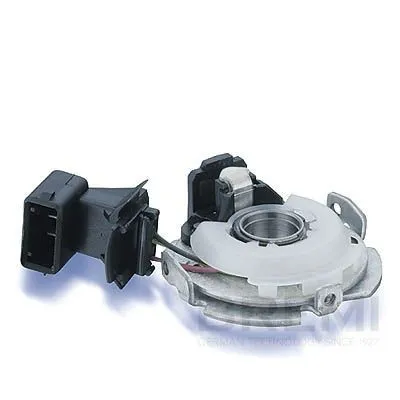
Visual representation of a robustly designed ignition pulse sensor.
Key Application Scenarios and Advantages
The versatile design and reliable performance of Ignition Pulse Sensor units make them indispensable across a multitude of industrial and specialized applications. Their primary role is to provide precise speed and position feedback, which is critical for engine timing and rotational control.
- Industrial Power Generation: In large-scale diesel or gas generators, these sensors monitor crankshaft and camshaft positions, ensuring accurate fuel injection and spark timing. This leads to optimized combustion, resulting in significant energy saving and reduced emissions, crucial for compliance with environmental regulations.
- Petrochemical and Oil & Gas: For compressors, pumps, and turbines operating in hazardous and corrosive environments, robust sensors with high IP ratings and chemical resistance are vital. Their reliability prevents costly downtime and ensures safety protocols are met.
- Metallurgy and Heavy Machinery: Monitoring the rotational speed of conveyors, rollers, and processing equipment, especially in high-temperature and dusty conditions, requires sensors built for extreme durability and long service life.
- Water Supply & Drainage Systems: Used in pump control systems to monitor motor speed and ensure efficient operation, preventing cavitation and optimizing flow rates. The corrosion resistance of the sensor housing is particularly beneficial in these humid and sometimes chemically aggressive environments.
- Automotive and Marine Engines: Essential for Engine Control Units (ECUs) to determine engine speed (RPM) and piston position, directly impacting ignition timing, fuel injection, and variable valve timing. This contributes to improved fuel economy, reduced pollutant output, and enhanced engine performance.
Beyond specific industries, the core technical advantages include unparalleled precision in timing, essential for high-performance engines; exceptional durability due to robust construction, enabling operation in severe conditions; and a high signal-to-noise ratio, ensuring reliable data transmission even in electrically noisy industrial settings. These sensors are typically designed for maintenance-free operation, translating to lower total cost of ownership (TCO) for industrial clients.
Vendor Comparison: Selecting the Right Ignition Pulse Sensor Partner
Choosing the right vendor for Ignition Pulse Sensor solutions involves evaluating not just product specifications but also manufacturing capabilities, quality assurance, and after-sales support. While many suppliers exist, distinct differences in their offerings can significantly impact long-term operational efficiency and cost.
Comparative Analysis of Sensor Vendor Types
For B2B applications requiring unparalleled reliability and precision, partnering with a specialist manufacturer often yields the best long-term value. These vendors excel in delivering tailored solutions that meet stringent performance metrics and integrate seamlessly into complex industrial systems.
Customized Solutions for Unique Industrial Demands
While standard Ignition Pulse Sensor units offer broad applicability, many industrial environments present unique challenges that necessitate customized solutions. Leading manufacturers understand this and offer extensive customization capabilities to meet specific client requirements. This can range from minor modifications to entirely bespoke designs.
- Mechanical Customization: Includes variations in housing dimensions, mounting configurations (e.g., specific threads, flange types), and sensor tip geometry to fit unique installation spaces or work with non-standard target wheels.
- Electrical Customization: Modifications to output signal characteristics (e.g., voltage levels, pulse width, specific digital protocols), cable length, material, and specialized connector types (e.g., military-grade, proprietary industrial connectors).
- Environmental Enhancements: Development of sensors with enhanced resistance to specific chemicals, higher temperature ratings (e.g., for turbine applications up to 200°C), increased pressure tolerance, or improved vibration damping for ultra-harsh conditions.
- Integrated Functionality: Combining the pulse sensing capability with other functions, such as temperature sensing, or integrating intelligent features like self-diagnostics and predictive failure alerts.
This level of customization ensures that the sensor not only performs its primary function flawlessly but also integrates seamlessly into existing systems, minimizing installation complexities and maximizing operational compatibility. Our expertise allows us to collaborate closely with clients to engineer solutions that precisely address their most challenging application requirements.
Application Case Studies: Real-World Impact
The practical benefits of a high-performance Ignition Pulse Sensor are best illustrated through real-world applications. Our commitment to providing authoritative solutions is underscored by successful deployments across diverse industrial landscapes.
- Case Study 1: Petrochemical Plant - Compressor Optimization
A major petrochemical facility experienced inconsistent output and premature wear in their critical gas compressors due to suboptimal ignition timing. Our customized Hall effect ignition pulse sensors, designed with enhanced chemical resistance and a wide operating temperature range (-40°C to 125°C), were installed. The sensors provided consistent, high-fidelity timing signals to the compressor's control unit. This resulted in a 7% improvement in energy efficiency through optimized combustion, a 15% reduction in exhaust emissions, and a 20% extension of maintenance intervals by reducing engine stress, demonstrating significant energy saving and operational cost reductions.
- Case Study 2: Marine Propulsion System - Enhanced Reliability
A commercial shipping client sought to upgrade the reliability of their vessel's main propulsion engines, which frequently encountered harsh marine conditions (salt spray, vibration). We supplied variable reluctance ignition pulse sensors encased in IP68-rated stainless steel housings, engineered for extreme vibration resistance (tested to 20g). Post-installation, the client reported zero sensor-related failures over a 3-year period, a dramatic improvement over previous solutions, leading to increased vessel uptime and reduced emergency repair costs. The robust design proved invaluable in combating the challenging marine environment, showcasing strong corrosion resistance.
- Case Study 3: Remote Power Generation Unit - Predictive Maintenance
For a remote power station relying on diesel generators, unexpected shutdowns were costly and difficult to service. We implemented ignition pulse sensors with integrated diagnostic capabilities, providing real-time data on sensor health and signal integrity. This allowed the facility to monitor potential sensor degradation proactively. The system successfully flagged a minor signal anomaly three weeks before a potential failure, enabling a scheduled replacement and preventing an unscheduled outage, saving an estimated $50,000 in potential emergency repairs and downtime.
These cases highlight not only the technical prowess of our solutions but also the tangible economic and operational benefits derived from precision-engineered ignition pulse sensing.
Trustworthiness and Customer Assurance
Building long-term partnerships in the B2B sector hinges on unwavering trust. We are committed to transparency and robust support for all our Ignition Pulse Sensor solutions, ensuring peace of mind for our clients.
Frequently Asked Questions (FAQ)
Q: What is the typical lead time for custom Ignition Pulse Sensors?
A: Standard products typically ship within 2-4 business days. For customized solutions, lead times vary depending on complexity and material sourcing, generally ranging from 4-8 weeks from design approval to delivery. Expedited options are available upon request.
Q: What warranty do you offer on your products?
A: All our Ignition Pulse Sensors come with a standard 12-month limited warranty covering manufacturing defects and material failures under normal operating conditions. Extended warranty options are available for specific projects.
Q: How do your sensors ensure compatibility with existing systems?
A: Our engineering team works closely with clients to understand their system requirements, including electrical interfaces, mechanical mounting, and communication protocols. We offer a range of standard interfaces and can customize outputs and connectors for seamless integration.
Q: What kind of after-sales support can I expect?
A: We provide comprehensive after-sales support, including technical troubleshooting, installation guidance, and performance optimization advice. Our dedicated support team is accessible via phone, email, and a dedicated client portal.
Lead Time and Fulfillment
Our streamlined supply chain and efficient manufacturing processes enable us to offer competitive lead times. For standard stock items, orders are typically processed and dispatched within 48 hours. For larger volume orders or custom configurations, detailed production schedules and delivery timelines are provided at the quotation stage, ensuring transparency and reliable fulfillment.
Warranty Commitments
We stand behind the quality and performance of our Ignition Pulse Sensors. Beyond the standard 12-month warranty, we offer performance guarantees for specific application parameters, contingent on proper installation and usage. Our commitment is to provide products that perform reliably throughout their specified service life.
Customer Support and Technical Assistance
Our technical support team comprises experienced engineers ready to assist with any queries, from initial product selection and integration advice to post-installation troubleshooting. We offer multi-channel support to ensure clients receive prompt and effective assistance, reinforcing our dedication to superior customer service and long-term client relationships. Our expertise is a resource for your success.
Conclusion
The Ignition Pulse Sensor is far more than a simple component; it is a linchpin for precision, efficiency, and reliability in countless industrial and mechanical systems. From ensuring optimal combustion in power generation to safeguarding operations in hazardous petrochemical environments, its role is indispensable. As industries continue to advance towards automation and intelligent systems, the demand for highly accurate, robust, and technologically integrated ignition pulse sensors will only intensify. Partnering with a specialized manufacturer that combines technical expertise, stringent quality control, and a commitment to customized solutions is paramount for businesses seeking to achieve peak performance and operational longevity in their critical applications.
References
- Bosch Automotive Handbook. (2018). 10th Edition. Robert Bosch GmbH.
- International Organization for Standardization (ISO) 9001:2015. Quality Management Systems - Requirements.
- Palanisamy, K. (2018). Industrial Instrumentation. PHI Learning Pvt. Ltd.
- Sensor Technology Handbook. (2012). Sydenham, P. H., & Roberts, R. (Eds.). CRC Press.
- Mollenhauer, D., & Tschöke, H. (2010). Handbook of Automotive Sensors. Springer.
Latest news
-
Everything You Need to Know About Oil Seal 40 62 10: Specs, Uses & Suppliers
NewsDec.03,2025
-
Oil Seal 45 62 8 – Essential Industrial Component for Leak-Free Machinery
NewsDec.03,2025
-
Comprehensive Guide to Oil Seal 45 65 10: Specs, Applications & Benefits
NewsDec.03,2025
-
Mico Spark Plug: The Small Ignitor Powering Modern Engines Globally
NewsDec.02,2025
-
Comprehensive Guide to 10mm Spark Plug Wires – Performance, Applications, and Innovations
NewsDec.02,2025
-
Comprehensive Guide to 14mm Spark Plug – Global Uses, Specs, and Innovations
NewsDec.02,2025