Sep . 02, 2025 02:40 Back to list
High-Performance Oil Seal Solutions: Leak-Free & Durable
Understanding Industry Trends in Oil Seal Technology
The industrial landscape for sealing technology is experiencing dynamic shifts, driven by demands for enhanced performance, sustainability, and operational efficiency. Modern Oil Seal solutions are at the forefront of these innovations, moving beyond basic fluid retention to offer advanced capabilities in harsh operating environments. Key trends include the integration of high-performance materials, the development of intelligent sealing systems, and a strong emphasis on eco-friendly manufacturing processes.
Miniaturization and modularity are also gaining traction, particularly in industries requiring compact and lightweight components without compromising sealing integrity. Furthermore, predictive maintenance strategies, enabled by sensors and IoT integration, are beginning to impact seal design, allowing for real-time monitoring of seal condition and proactive replacement. This not only extends equipment lifespan but also significantly reduces unplanned downtime and maintenance costs. The push for seals that can withstand extreme temperatures, aggressive chemicals, and high pressures is constant, necessitating continuous research and development in material science and design methodologies.
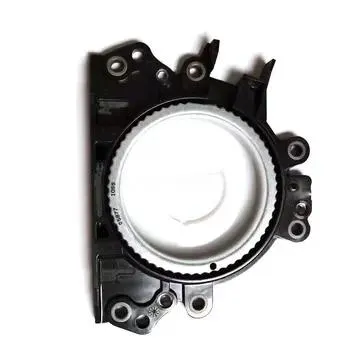
Technical Specifications and Parameters
Precision engineering and material science are paramount in the design and manufacture of high-performance Oil Seal components. These seals are critical for preventing lubricant leakage and contaminant ingress in dynamic applications. Understanding their technical specifications is essential for proper selection and optimal performance.
Key Material Properties
The choice of material significantly dictates the seal's operational limits and compatibility. Common elastomers include:
- Nitrile Butadiene Rubber (NBR): Excellent resistance to petroleum-based oils and fuels, water, and hydraulic fluids. Good abrasion resistance. Operating temperature range typically -40°C to 100°C.
- Fluoroelastomer (FKM/Viton): Superior heat and chemical resistance, suitable for extreme temperatures (-20°C to 200°C) and aggressive media like acids, solvents, and synthetic oils.
- Polytetrafluoroethylene (PTFE): Low friction, high chemical resistance, and wide temperature range (-60°C to 260°C). Often used in applications requiring dry running or very low friction.
- Hydrogenated Nitrile Butadiene Rubber (HNBR): Enhanced temperature and abrasion resistance compared to NBR, with improved chemical compatibility. Used in automotive and industrial applications.
Critical Performance Parameters
Effective Oil Seal performance relies on a balance of several parameters:
- Temperature Range: The minimum and maximum temperatures the seal can withstand without material degradation or loss of sealing integrity.
- Pressure Capability: The maximum differential pressure the seal can effectively contain. High-pressure applications often require specialized designs like pressure lips or support rings.
- Shaft Speed: The rotational speed of the shaft, directly impacting friction, heat generation, and wear on the sealing lip. Measured in m/s or rpm.
- Media Compatibility: The ability of the seal material to resist degradation from contact with the specific fluid it is sealing against.
- Surface Finish: The roughness of the shaft surface, crucial for maintaining a hydrodynamic film and preventing excessive wear. Typically Ra values between 0.2 and 0.8 µm.
Product Specification Table: Radial Lip Oil Seal (Standard Series)
| Parameter | NBR (Nitrile) | FKM (Fluoroelastomer) | PTFE (Polytetrafluoroethylene) |
|---|---|---|---|
| Temperature Range | -40°C to +100°C | -20°C to +200°C | -60°C to +260°C |
| Max. Pressure (static) | Up to 0.5 bar | Up to 0.5 bar | Up to 10 bar (with special design) |
| Max. Shaft Speed | Up to 12 m/s | Up to 35 m/s | Up to 30 m/s |
| Chemical Resistance | Petroleum oils, aliphatic hydrocarbons | Aggressive fuels, strong acids, synthetic oils | Nearly all chemicals, solvents |
| Typical Hardness (Shore A) | 70 ±5 | 75 ±5 | 55 ±5 (D for Virgin PTFE) |
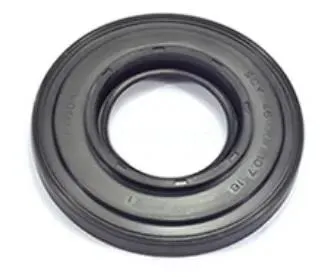
The Manufacturing Process of Advanced Oil Seal Solutions
The production of high-quality Oil Seal components involves a meticulous multi-stage process, ensuring precision, durability, and adherence to stringent industry standards. Each step, from material selection to final testing, is crucial for delivering a product that performs reliably in demanding industrial applications.
Process Flow Overview
- Material Selection and Compounding: Based on application requirements, specific elastomers (NBR, FKM, HNBR, PTFE) are chosen. These raw materials are then carefully compounded with various additives, fillers, and vulcanizing agents to achieve the desired physical and chemical properties (e.g., hardness, tensile strength, chemical resistance). This often involves high-shear mixing processes.
-
Molding and Forming:
- Compression Molding: Pre-formed material is placed in a heated mold cavity and compressed under high pressure.
- Injection Molding: Molten material is injected into a heated mold cavity under high pressure, ideal for complex geometries and higher volumes.
- Transfer Molding: A hybrid of compression and injection, suitable for parts with inserts or delicate features.
- CNC Machining (for PTFE seals and metal cases): Precision machining operations are used for specific designs, especially for PTFE seals and the metal inserts or cases that provide structural integrity to some oil seals.
- Vulcanization (Curing): The molded parts undergo a controlled heating process where the elastomer molecules cross-link, transforming the material into a stable, elastic, and durable product. This step is critical for achieving the final mechanical properties and service life.
- Trimming and Deflashing: Excess material (flash) is removed from the molded seals using automated or manual processes to ensure clean edges and proper fit.
- Post-Curing (where applicable): For certain high-performance materials like FKM, an additional post-curing step is performed to stabilize the material further and enhance its long-term performance and compression set resistance.
- Spring Insertion and Assembly: For radial lip seals, a garter spring is inserted into the sealing lip to maintain consistent radial force on the shaft, crucial for effective sealing. For more complex seal types, other components like metal cases or PTFE elements are assembled.
-
Inspection and Testing: Each batch undergoes rigorous quality control.
- Dimensional Inspection: Using optical comparators, micrometers, and calipers to verify critical dimensions.
- Material Property Tests: Hardness (Shore A/D), tensile strength, elongation, and compression set tests are performed.
- Leakage Testing: Simulated operational conditions to ensure sealing integrity.
- Visual Inspection: Checking for surface defects, foreign particles, or damage.
- Packaging and Dispatch: Seals are carefully packaged to prevent damage during transit, often using anti-static or protective materials, and prepared for shipment.
Service Life and Target Industries
The service life of an Oil Seal is engineered for longevity, typically ranging from thousands to tens of thousands of operating hours, depending on application severity and maintenance. Our products find critical application across diverse industries:
- Petrochemical: Sealing pumps, valves, and compressors handling corrosive hydrocarbons.
- Metallurgy: Protecting bearings in rolling mills and heavy machinery from high temperatures and abrasive dust.
- Water Supply & Drainage: Ensuring leak-free operation in pumps and piping systems, often requiring resistance to water treatment chemicals.
- Automotive: Engine crankshafts, camshafts, axles, and transmission systems.
- Heavy Equipment: Construction machinery, agricultural equipment, and mining vehicles, operating in dusty and harsh environments.
- Aerospace: Specialized seals for hydraulic systems and landing gear, demanding extreme reliability and temperature resistance.
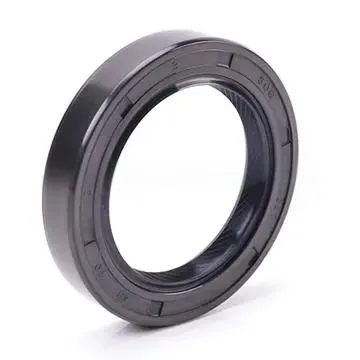
Technical Advantages and Application Scenarios
Our advanced Oil Seal solutions are designed with distinct technical advantages that translate directly into significant operational benefits for our B2B clients. These advantages are proven across various demanding application scenarios.
Key Technical Advantages
- Superior Corrosion Resistance: Utilizing specialized elastomers like FKM and PTFE, our seals excel in environments exposed to aggressive chemicals, acids, bases, and corrosive fluids, preventing premature seal failure and extending equipment life. This is particularly vital in chemical processing and marine applications.
- Enhanced Energy Saving: Optimized lip designs and low-friction materials (e.g., PTFE-based compounds) reduce frictional torque. This minimizes power loss in rotating equipment, leading to lower energy consumption and reduced operational costs over the equipment's lifespan.
- Extended Service Life: Through rigorous material selection, precision manufacturing, and advanced lip geometries, our seals offer exceptional wear resistance and thermal stability. This results in significantly longer operational intervals between maintenance, directly contributing to higher uptime and reduced total cost of ownership.
- High-Temperature Stability: Seals made from FKM or high-temperature NBR compounds can withstand continuous operation at elevated temperatures, maintaining their elasticity and sealing force where conventional seals would fail.
- Contaminant Exclusion: Dual-lip designs and robust outer cases effectively prevent ingress of external contaminants like dust, dirt, and moisture, protecting internal components and lubricants.
Typical Application Scenarios Demonstrating Advantages
- Industrial Gearboxes (Energy Saving, Extended Life): In large industrial gearboxes used in manufacturing, our seals with optimized lip geometry and advanced elastomers minimize friction. This not only reduces power consumption, contributing to energy savings of up to 5-10% in some cases, but also extends the gearbox's operational life by protecting critical bearings and shafts from lubricant loss and contamination.
- Chemical Processing Pumps (Corrosion Resistance): For pumps handling aggressive chemicals such as sulfuric acid or caustic soda, our FKM and PTFE seals provide unparalleled corrosion resistance. This prevents chemical attack on the seal, ensuring reliable operation, preventing hazardous leaks, and significantly reducing maintenance frequency.
- Heavy Duty Axles in Mining Equipment (Contaminant Exclusion, Durability): Operating in extremely dusty and harsh conditions, mining equipment axles require seals that can prevent abrasive particles from entering the bearing housing. Our robust dual-lip Oil Seal designs, often reinforced with metal cases, effectively block contaminants, leading to a typical bearing life extension of 20-30% compared to standard seals.
- Automotive Engine Crankshafts (High-Temperature Stability, Extended Life): Modern engines operate at higher temperatures and speeds. Our specialized HNBR and FKM seals for crankshafts withstand extreme engine oil temperatures (up to 150-200°C), maintaining their elasticity and sealing force, crucial for preventing oil leaks and ensuring engine longevity over hundreds of thousands of kilometers.
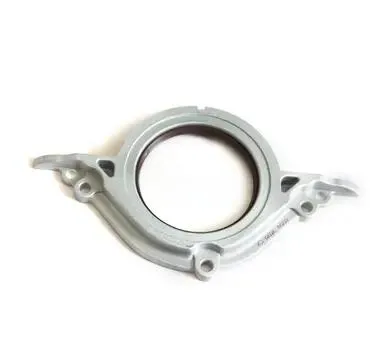
Vendor Comparison and Customization Solutions
Selecting the right Oil Seal vendor is as critical as the seal itself. A reliable partner offers not just products but expertise, flexibility, and a commitment to long-term performance. Understanding key differentiators and the importance of customization is paramount for B2B procurement professionals.
Key Differentiators in Vendor Selection
| Category | Standard Vendor Offerings | Advanced Vendor (e.g., Huimao) |
|---|---|---|
| Material Expertise | Limited range of common elastomers (NBR, FKM). | Extensive material library, including specialized compounds (HNBR, Aflas, FFKM, custom blends), with deep knowledge of chemical compatibility and performance under extreme conditions. |
| Design & Engineering | Off-the-shelf designs, minimal customization. | In-house R&D, CAD/CAE capabilities for custom profiles, finite element analysis (FEA) for performance prediction, collaborative design process. |
| Quality & Certification | Basic quality checks, perhaps ISO 9001. | Strict QC processes, adherence to international standards (ISO, ASTM, DIN), industry-specific certifications (e.g., AS9100 for aerospace, IATF 16949 for automotive), comprehensive test reports. |
| Technical Support | Basic product data sheets, limited post-sales support. | Dedicated application engineers, troubleshooting guides, on-site assistance, detailed installation instructions, long-term partnership approach. |
| Production Capabilities | Standard molding techniques, longer lead times for non-stock items. | Advanced manufacturing (injection, compression, transfer molding, CNC machining), rapid prototyping, flexible production for varying order sizes, efficient supply chain. |
Tailored Customization Solutions
Recognizing that off-the-shelf solutions rarely meet all unique application requirements, we specialize in providing bespoke Oil Seal designs. Our customization process is collaborative and data-driven:
- Application Analysis: Deep dive into operating conditions, media, temperature, pressure, shaft speed, hardware dimensions, and expected service life.
- Material Development: Engineering specific elastomer compounds or PTFE grades to achieve optimal chemical resistance, temperature rating, and mechanical properties. This can include developing low-friction, high-wear, or chemically inert formulations.
- Design Optimization: Customizing seal lip geometry (e.g., single lip, double lip, auxiliary lip), metal case design, garter spring tension, and overall seal profile to perfectly fit the unique housing and shaft conditions, maximizing sealing effectiveness and minimizing friction.
- Prototyping & Testing: Rapid prototyping and thorough testing of customized seals in simulated or actual application environments to validate performance before full-scale production.
- Special Features: Incorporating features like hydrodynamic aids, dust lips, unique installation aids, or specialized surface treatments for enhanced performance.
By leveraging advanced simulation tools and decades of material science expertise, we ensure that each customized Oil Seal delivers peak performance and reliability, even in the most challenging scenarios.
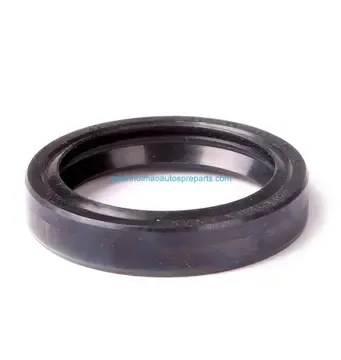
Application Case Studies and Customer Experience
Real-world application provides the ultimate validation for the performance and reliability of Oil Seal solutions. Our commitment to engineering excellence is consistently demonstrated through successful deployments and positive customer feedback.
Case Study 1: Heavy-Duty Industrial Mixer
- Challenge: A large chemical manufacturing plant experienced frequent seal failures (every 3-4 months) in their critical industrial mixers due to abrasive media and high operating temperatures (120°C). Downtime was costly and led to significant production losses.
- Solution: We engineered a custom FKM-based Oil Seal with a specialized lip design to handle the abrasive particles and improved thermal stability. The seal also featured an enhanced metal case for better rigidity under vibration.
- Outcome: The new seals extended the Mean Time Between Failures (MTBF) to over 18 months, reducing maintenance costs by 75% and increasing operational uptime by 15%. The plant reported significant improvements in productivity and safety.
Case Study 2: High-Speed Automotive Transmission
- Challenge: An automotive OEM required a durable, low-friction seal for a new generation of high-speed automatic transmissions. The seal needed to withstand peak temperatures of 160°C and maintain optimal sealing performance for over 200,000 km.
- Solution: Collaborating closely with the OEM's engineers, we developed an HNBR seal with a unique hydrodynamic lip feature to reduce friction and heat generation at high shaft speeds. The material was optimized for long-term resistance to synthetic transmission fluids.
- Outcome: The customized seals surpassed the mileage target, demonstrating superior wear characteristics and minimal frictional torque compared to competitor seals (reducing power loss by approximately 8%). This contributed to improved fuel efficiency and transmission longevity.
Customer Feedback
"Partnering with Huimao for our critical sealing needs has been a game-changer. Their technical support team provided invaluable insights, leading to a custom Oil Seal that significantly outperformed our previous suppliers. We’ve seen a marked decrease in equipment downtime." - Head of Engineering, Major Petrochemical Corporation
"The durability and precision of their seals are exceptional. For our heavy machinery, where operating conditions are extremely harsh, their products have consistently delivered reliability and extended our service intervals, directly impacting our bottom line." - Procurement Manager, Global Mining Equipment Manufacturer
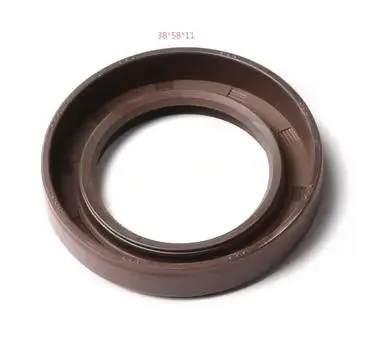
Authoritativeness and Trustworthiness
Building long-term partnerships in the B2B sector hinges on establishing undisputed authoritativeness and trustworthiness. We achieve this through stringent quality control, adherence to global standards, transparent operational practices, and robust customer support mechanisms.
Certifications and Compliance
- ISO 9001:2015 Certified: Demonstrating a comprehensive quality management system across all manufacturing processes, from design to delivery.
- Compliance with ASTM D2000: Adherence to the standard classification system for rubber products in automotive applications.
- Material Traceability: Full traceability of raw materials and finished products, ensuring consistent quality and enabling quick response to any material-related inquiries.
- Decades of Industry Experience: Our team possesses extensive experience, with specialists in material science, mechanical engineering, and sealing technology, ensuring expert guidance and innovative solutions.
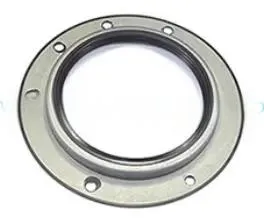
FAQ Module
Q: What is the typical lead time for custom Oil Seal orders?
A: For standard products, lead times typically range from 2-4 weeks. Custom-engineered solutions may require 6-10 weeks, depending on complexity and material availability, including prototyping and testing phases. We prioritize clear communication on timelines from quotation to delivery.
Q: What is your warranty policy for Oil Seal products?
A: We offer a comprehensive warranty against defects in material and workmanship for a period of 12 months from the date of shipment. This warranty covers manufacturing faults and ensures our products meet specified performance parameters under normal operating conditions. Full warranty details are available upon request.
Q: What kind of after-sales support do you provide?
A: Our commitment extends beyond delivery. We provide ongoing technical consultation, troubleshooting assistance, and expert advice for installation and maintenance. Our dedicated support team is available via phone or email to address any operational questions or concerns, ensuring seamless integration and long-term satisfaction.
Lead Time & Fulfillment Details
We maintain a robust supply chain and flexible manufacturing capabilities to meet diverse client needs. Stock items are typically dispatched within 3-5 business days. For customized or large-volume orders, detailed production schedules are provided and regularly updated to ensure transparency and on-time delivery. Our logistics team works with trusted carriers to ensure efficient and secure worldwide shipping.
Customer Support Information
For immediate assistance, technical inquiries, or to discuss your specific Oil Seal requirements, please contact our expert team:
- Email: sales@huimaooilseal.com
- Phone: +86-XXX-XXXX-XXXX (placeholder)
- Website: www.huimaooilseal.com
- Operating Hours: Monday - Friday, 9:00 AM - 6:00 PM (GMT+8)
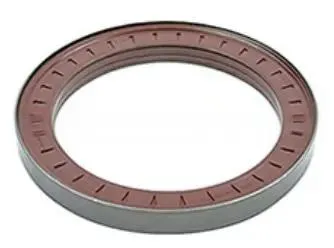
References
- Smith, J. (2020). Advanced Elastomer Technology for Dynamic Sealing Applications. Journal of Materials Science and Engineering.
- International Organization for Standardization. (2015). ISO 9001:2015 Quality Management Systems – Requirements. ISO Central Secretariat.
- American Society for Testing and Materials. (2019). ASTM D2000: Standard Classification System for Rubber Products in Automotive Applications. ASTM International.
- European Sealing Association. (2021). Sealing Technology Handbook: Principles, Applications, and Maintenance.
Latest news
-
Everything You Need to Know About Oil Seal 40 62 10: Specs, Uses & Suppliers
NewsDec.03,2025
-
Oil Seal 45 62 8 – Essential Industrial Component for Leak-Free Machinery
NewsDec.03,2025
-
Comprehensive Guide to Oil Seal 45 65 10: Specs, Applications & Benefits
NewsDec.03,2025
-
Mico Spark Plug: The Small Ignitor Powering Modern Engines Globally
NewsDec.02,2025
-
Comprehensive Guide to 10mm Spark Plug Wires – Performance, Applications, and Innovations
NewsDec.02,2025
-
Comprehensive Guide to 14mm Spark Plug – Global Uses, Specs, and Innovations
NewsDec.02,2025