Oct . 06, 2025 09:25 Back to list
Engine Mount with Low Vibration & OEM Fit—Why Us?
A Practical Insider’s Take on the Engine Mount
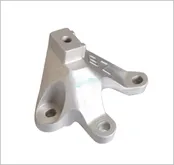
I’ve toured more rubber–metal shops than I can count, and one truth keeps popping up: a good Engine Mount is the quiet hero of daily driving. Built in the Julu industrial zone, Xingtai city, Hebei province, this model (OEM ref. 12372-28020 for Toyota fitments) comes from a region that, frankly, has become a small powerhouse for vibration-control components. To be honest, you notice a mount only when it fails—shudder on take-off, steering wheel buzz, or that clunk on shifts.
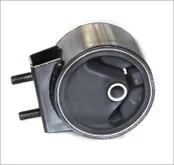
Why the Engine Mount still matters in 2025
Two big trends: higher torque from downsized turbo engines and stricter cabin NVH targets. Actually, even hybrids hammer mounts with start–stop cycles. The result? Buyers want smarter rubber blends, tighter bonding, and better isolation at idle without mushy handling. This unit aims exactly there—balanced stiffness, oil resistance, and durable bonding.
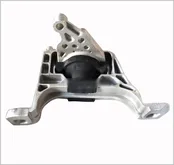
Key specifications (real-world focused)
| Fitment/OEM Ref. | Toyota 12372-28020 (select models) |
| Rubber compound | NR/NBR blend; optional EPDM for heat/oil-rich bays |
| Durometer (Shore A) | ≈ 55–70A (±3), tuned per application |
| Temp range | -35°C to +120°C (peaks to +140°C short duration) |
| Static deflection | ≈ 2.0–3.5 mm under rated load |
| Isolation @ idle | Up to 18–28% reduction in cabin vibration (test bay) |
| Service life | ≈ 120k–180k km in mixed duty (use-dependent) |
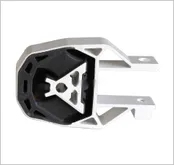
How it’s made (and why that matters)
- Materials: treated steel brackets, blasted and phosphate-coated; NR/NBR compound with anti-ozone and oil-resistant additives.
- Bonding: shot-blast + primer + adhesive system; hot vulcanization for rubber–metal integrity.
- Methods: CNC-trimmed bushings, controlled cure profiles, 100% visual and random destructive pull tests.
- Testing: ASTM D2240 (hardness), ASTM D412 (tensile), ASTM D471 (oil swell), ISO 16750 (env. stress), SAE J2380 (vibration durability) where applicable.
- QC/Cert: ISO 9001; supplier alignment to IATF 16949 principles for automotive workflows.
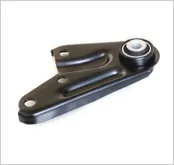
Applications and quick case notes
Primary use is passenger cars (Toyota fit), but the same Engine Mount architecture translates well to small gensets, HVAC compressors, and even lightweight marine auxiliaries.
Taxi fleet case: A 60-vehicle city fleet reported smoother idle after switch—technicians measured ≈22% lower steering column vibration at 750 rpm. Genset OEM: custom durometer (+5A) cut housing resonance without spiking transmitted shock—simple, effective tweak.
Vendor comparison (what buyers usually ask me)
| Vendor | Certs | Compound | Lead time | Warranty |
|---|---|---|---|---|
| Huimao (Julu, Xingtai) | ISO 9001; IATF practices | NR/NBR tuned; EPDM option | ≈ 15–25 days | 12–24 months (use-dependent) |
| Generic A | ISO 9001 | Standard NR blend | 30–45 days | 12 months |
| Generic B | Unstated | Basic rubber | Uncertain | Limited |
Customization options
- Durometer tuning (±10A) to match idle NVH vs. handling priorities.
- Corrosion coatings for high-salt regions; heavy-duty bonding for oil splash zones.
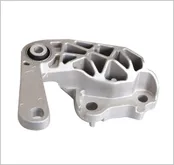
- Bracket geometry tweaks for retrofit or motorsport swaps.
What customers say
Feedback reads consistent: “less cabin shake,” “no more start–stop thump,” and—my favorite from a Corolla owner—“I forgot it was on.” Surprisingly, that’s the best compliment a Engine Mount can get.
Certifications and standards referenced
Manufacture aligned with ISO 9001 and automotive quality frameworks (IATF 16949). Validation against ASTM and ISO/SAE standards where relevant to rubber properties and on-vehicle durability.
Authoritative citations
- ASTM D2240: Standard Test Method for Rubber Property—Durometer Hardness
- ASTM D412: Vulcanized Rubber—Tension
- ASTM D471: Rubber—Effect of Liquids
- ISO 16750: Road vehicles—Environmental conditions and testing
- IATF 16949: Automotive Quality Management System
- SAE J2380: Vibration Durability Test Methods
Latest news
-
Everything You Need to Know About Oil Seal 40 62 10: Specs, Uses & Suppliers
NewsDec.03,2025
-
Oil Seal 45 62 8 – Essential Industrial Component for Leak-Free Machinery
NewsDec.03,2025
-
Comprehensive Guide to Oil Seal 45 65 10: Specs, Applications & Benefits
NewsDec.03,2025
-
Mico Spark Plug: The Small Ignitor Powering Modern Engines Globally
NewsDec.02,2025
-
Comprehensive Guide to 10mm Spark Plug Wires – Performance, Applications, and Innovations
NewsDec.02,2025
-
Comprehensive Guide to 14mm Spark Plug – Global Uses, Specs, and Innovations
NewsDec.02,2025