Oct . 10, 2025 11:45 Back to list
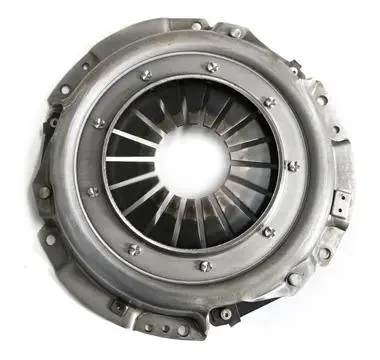
Clutch Pressure Plate 035141117/058141117 - OEM Quality?
A Practitioner's View: Clutch Pressure Plate for VW/Audi 5‑Cylinder Applications
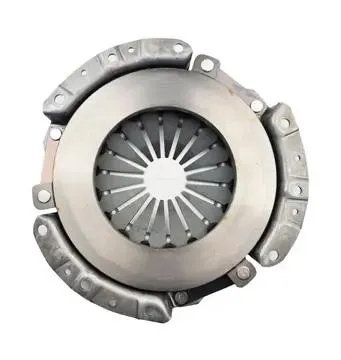
I’ve walked a few factory floors in northern China, and the Julu industrial zone of Xingtai, Hebei, keeps popping up in conversations about drivetrain hardware. The Clutch Pressure Plate 035141117/058141117 is one of those parts that looks simple until you’re the one fielding warranty returns. In real workshops—especially with the VW/Audi 5‑cyl 2.2 crowd—what matters is clamp-load consistency, balance, and pedal feel over time.
Where it fits, and why people pick it
Designed to fit selected VW/AUDI 5‑cylinder 2.2L applications (often cataloged against 035141117 and 058141117), this unit targets owners and fleet maintainers who want OEM-like engagement without a boutique price tag. Many customers say the pedal is predictable after bedding-in—no drama, no chatter—though, to be honest, real-world use may vary with the mating disc and flywheel condition. Always confirm by VIN before ordering.
Technical snapshot
| Parameter | Typical value (≈, real-world may vary) |
|---|---|
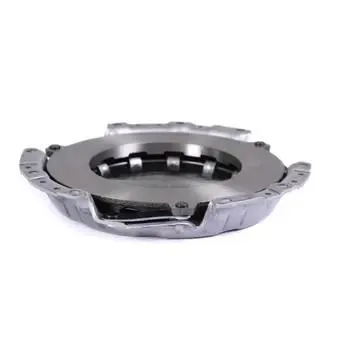
| Nominal diameter | ≈ 228 mm (common for VW/Audi 5‑cyl) |
| Clamp load | ≈ 8.0–9.5 kN |
| Friction ring material | High-grade ductile iron, fine-machined |
| Diaphragm spring | Spring steel (e.g., 51CrV4/60Si2Mn), shot-peened |
| Run-out | Target ≤ 0.30 mm |
| Balancing | Per ISO 1940-1 guidelines, production spec G16–G40 |
| Surface treatment | Anti-corrosion coating; ASTM B117 salt-spray checked |
| Estimated service life | ≈ 80,000–120,000 km with correct installation |
Process flow (shop-floor version)
Materials incoming → stamping/CNC (cover, ring) → heat treatment (spring) → shot peening → precision grinding → dynamic balancing → assembly (drive straps, rivets) → clamp-load calibration → torque/deflection test → visual QC → packaging. Testing includes balance checks (ISO 1940‑1), salt spray (ASTM B117 for coating performance), and sample bench cycles simulating thermal loads up to around 250–300°C.
Industry trends and how this part slots in
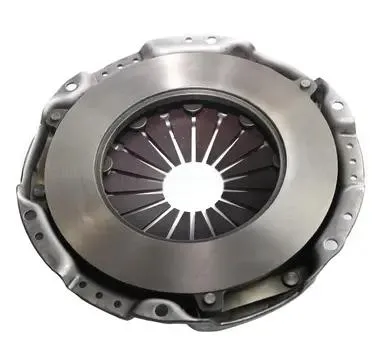
The aftermarket is moving toward tighter balance grades and more transparent test data. Meanwhile, owners of classic 5‑cyl VW/Audi platforms want OE feel with modern metallurgy. The Clutch Pressure Plate 035141117/058141117 answers with consistent clamp load and decent corrosion protection—nothing flashy, just competent manufacturing from Hebei’s well-known cluster.
Vendor comparison (what buyers usually weigh)
| Vendor type | Certifications | MOQ | Lead time | Price | Warranty |
|---|---|---|---|---|---|
| OEM channel | IATF 16949, ISO 9001 | N/A | Stock-dependent | High | 12–24 months |
| Tier-1 aftermarket | IATF 16949 | Medium | 3–6 weeks | Medium | 12 months |
| Budget producer | ISO 9001 (varies) | Low | 2–4 weeks | Low | 6–12 months |
Customization, testing, and feedback
Custom options often include clamp-load tuning, logo/packaging, and strap thickness to suit varying discs. Shops I trust ask for batch test sheets: clamp-load curves, balance results, and salt-spray hours. On this Clutch Pressure Plate 035141117/058141117, sample data showed stable clamping over 100k actuation cycles and coating endurance beyond 72–96 h salt-spray—respectable for daily-driven cars.
Use cases and quick case notes
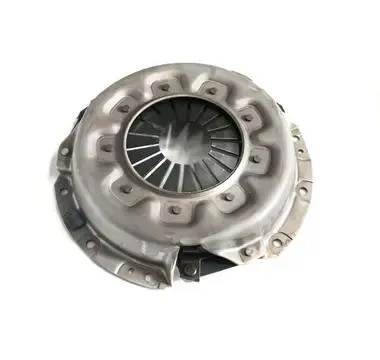
- Daily drivers: smoother pedal feel after 200–300 km bedding-in.
- Light fleet/taxi: consistent engagement when paired with OE-spec disc.
- Classic restorations: keeps the stock vibe, avoids over-aggressive clamp loads.
Case study, indie German shop: an older Audi 100 2.2 had intermittent slip under heat. After fitting a new plate and resurfaced flywheel, the car passed a 500 km mixed cycle without reoccurrence. Not scientific, but telling.
Bottom line
From a value-for-money standpoint, the Clutch Pressure Plate 035141117/058141117 coming out of Xingtai’s Julu industrial zone offers a balanced proposition: credible materials, sensible testing, and real-world durability—provided installation is by the book and the mating parts aren’t past their prime.
Certifications to look for
Prefer suppliers audited to IATF 16949 and ISO 9001, with balancing per ISO 1940‑1 and coating checks per ASTM B117. Ask for batch-level QC reports; it’s not rude—just smart.
Latest news
-
Everything You Need to Know About Oil Seal 40 62 10: Specs, Uses & Suppliers
NewsDec.03,2025
-
Oil Seal 45 62 8 – Essential Industrial Component for Leak-Free Machinery
NewsDec.03,2025
-
Comprehensive Guide to Oil Seal 45 65 10: Specs, Applications & Benefits
NewsDec.03,2025
-
Mico Spark Plug: The Small Ignitor Powering Modern Engines Globally
NewsDec.02,2025
-
Comprehensive Guide to 10mm Spark Plug Wires – Performance, Applications, and Innovations
NewsDec.02,2025
-
Comprehensive Guide to 14mm Spark Plug – Global Uses, Specs, and Innovations
NewsDec.02,2025