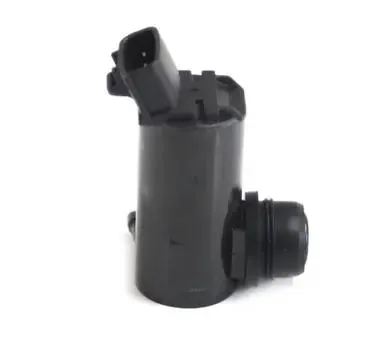
Competitive Spark Plug Coil Price and High Quality Ignition Coils
When managing a fleet or sourcing components for automotive distribution, the balance between upfront cost and long-term ignition reliability is a critical engineering decision. For procurement managers, the spark plug coil price is often just the starting point of a larger calculation involving energy efficiency, thermal resistance, and the prevention of engine misfires. A low-cost component that fails prematurely increases the total cost of ownership through repeated labor and vehicle downtime.
Xingtai Huimao Trading Co., Ltd. specializes in providing a broad spectrum of ignition system components and engine parts, ensuring that buyers can secure OEM-grade quality without compromising their operational budgets. Whether you are sourcing for specific Japanese models like Nissan or Toyota, or seeking bulk supplies for regional distribution, understanding the technical drivers of pricing and performance is essential for maintaining engine health and fuel economy across diverse vehicle applications.

The Technical Role of Ignition Coils in Modern Engine Performance
An ignition coil acts as a high-voltage transformer, converting the low voltage from a vehicle's battery into the thousands of volts required to create an electric spark across the spark plug gap. This process is fundamental to the internal combustion engine's ability to ignite the air-fuel mixture efficiently. In modern Coil-on-Plug (COP) systems, each cylinder has its own coil, which eliminates the need for spark plug wires and reduces energy loss, leading to more precise timing and improved emissions.
The durability of these components depends heavily on the quality of the internal windings and the insulating materials used. High-grade silicone and epoxy resins are typically employed to prevent voltage leaks and protect the coil from extreme under-hood temperatures. For buyers, selecting coils that meet or exceed OEM specifications ensures that the engine maintains peak compression and prevents the catalytic converter damage often caused by unburnt fuel resulting from weak sparks.
- Voltage Stability: Ensures consistent ignition across all RPM ranges.
- Thermal Management: High-temperature resistance prevents insulation breakdown.
- Dielectric Strength: Prevents electrical arcing to the engine block.

Critical Factors Influencing Procurement Costs and Product Quality
The variance in market pricing for ignition components is rarely arbitrary; it is usually a reflection of the materials and manufacturing processes involved. Premium coils utilize high-purity copper wire for the primary and secondary windings to minimize electrical resistance. Furthermore, the precision of the winding tension directly impacts the coil's ability to withstand vibration and thermal expansion cycles, which are constant in high-performance automotive environments.
From a commercial perspective, sourcing from a manufacturer like Xingtai Huimao Trading Co., Ltd. allows buyers to bypass multiple intermediaries. By integrating the supply of rubber sealing parts, gaskets, and ignition systems, we provide a cohesive solution for engine overhaul. This integration reduces shipping overheads and ensures that all accompanying seals—crucial for preventing oil intrusion into the spark plug well—are compatible and of the same quality standard.
Application Specifics for Japanese and Global Vehicle Models
Ignition requirements vary significantly between vehicle brands and engine architectures. For instance, the precision required for Nissan and Toyota engines often necessitates strict adherence to OEM fitment to ensure the coil seats perfectly against the spark plug. Improper fitment can lead to "spark blow-out" or premature wear of the rubber boot, leading to expensive repairs and loss of engine power.
Our capabilities extend beyond simple ignition parts. Because we manufacture rubber sealing parts and automotive oils, we understand the chemical interactions that occur within the engine. For example, the compatibility between the coil's rubber boot and the engine oil used is vital; incompatible oils can degrade the rubber, causing the ignition coil to fail. This holistic approach to engine components ensures that the parts we supply for Honda, Mitsubishi, and Lexus vehicles perform reliably under real-world driving conditions.
Ignition System Evaluation and Selection Matrix
| Evaluation Factor | Budget Grade | OEM Equivalent | High-Performance |
|---|---|---|---|
| Winding Material | Standard Copper | High-Purity Copper | Enhanced Conductivity Alloy |
| Insulation Quality | Basic Resin | Advanced Epoxy | High-Temp Composite |
| Service Life | Moderate | High | Very High |
| Fitment Precision | Standard | Exact OEM Fit | Precision Engineered |
| Recommended Use | Basic Commuting | General Fleet/Retail | Heavy Duty/Racing |
Optimizing Your Automotive Supply Chain for Engine Components
For distributors and large-scale repair shops, the goal is to minimize the "failure rate per thousand units." A lower initial spark plug coil price may seem attractive, but the cost of processing returns and managing customer dissatisfaction often outweighs the savings. The key is to partner with suppliers who possess integrated manufacturing capabilities. By controlling the production of related components like oil seals and gaskets, Xingtai Huimao Trading Co., Ltd. ensures a level of quality consistency that standalone traders cannot match.
We recommend a procurement strategy based on "Application Matching." Not every vehicle in a fleet requires high-performance coils; however, every vehicle requires a part that meets the minimum safety and efficiency standards of the manufacturer. By segmenting your inventory based on vehicle usage—such as city delivery versus long-haul transport—you can optimize your spend while maintaining high reliability across your entire fleet.
Future Trends in Ignition Technology and Market Sourcing
As engine downsizing and turbocharging become more prevalent, the demand on ignition systems is increasing. Higher cylinder pressures require higher ignition voltages to jump the spark gap effectively. This trend is driving the development of coils with better thermal dissipation and higher voltage peaks. Sourcing partners must be agile enough to adapt to these changing specifications to avoid stocking obsolete inventory.
Furthermore, the shift toward more sustainable manufacturing is influencing how automotive parts are produced. The use of recyclable materials in coil housing and more efficient winding processes is becoming a priority. For international buyers, focusing on suppliers who invest in R&D and independent core technology—such as our focus on advanced oil seal and ignition technology—ensures a future-proof supply chain that can keep pace with the evolving automotive landscape.
Common Questions Regarding Ignition Coil Procurement
How do I determine if an ignition coil is failing?
Common signs include engine misfiring, increased fuel consumption, rough idling, and the illumination of the "Check Engine" light (typically codes P0300-P0308). A technician can verify failure using a diagnostic scanner or by swapping the coil to another cylinder to see if the misfire follows the part.
Should I replace all ignition coils at once or only the failing one?
While replacing only the failed coil is more cost-effective in the short term, coils from the same production batch usually have similar lifespans. Replacing all coils simultaneously can prevent repeated downtime as the remaining aged coils eventually fail.
What is the difference between OEM and Aftermarket coils?
OEM coils are produced to the exact specifications of the vehicle manufacturer. High-quality aftermarket coils, like those provided by Xingtai Huimao, aim to match or exceed these specifications using similar materials to ensure identical fitment and performance.
Can a faulty oil seal cause ignition coil failure?
Yes. If the spark plug tube seal or valve cover gasket fails, engine oil can leak into the spark plug well. This oil can degrade the rubber boot of the coil and cause electrical shorts, leading to premature coil failure.
How does the quality of the coil affect fuel efficiency?
A weak or inconsistent spark leads to incomplete combustion of the air-fuel mixture. This results in lower power output and forces the engine to consume more fuel to maintain speed, thereby reducing overall MPG.
What should I check when evaluating a new coil supplier?
Check for manufacturing integration (do they produce related seals/gaskets?), their experience with specific vehicle brands (e.g., Nissan, Toyota), and their ability to provide consistent quality through independent R&D and testing.
Technical References and Industry Standards
- SAE International - Automotive Engineering Standards
- ISO Standards for Automotive Quality Management
- AutoCar - Technical Analysis of Engine Components
- Engine Builder Magazine - Ignition System Guides
Selecting the right ignition components is a balance of engineering precision and commercial viability. For high-quality engine parts and specialized rubber sealing solutions, Xingtai Huimao Trading Co., Ltd. provides the expertise and manufacturing capability to keep your vehicles performing at their peak.
Related Industry Insights